Winter shoes in this list run from a black waterproof sneaker for slush-season commuting to a BOA dial snow boot built for gloved hands and deep snow, and the one that fits you depends on your worst day, not your average one.
If that day is cold and dry, suede high-tops look best; if it is salted streets and wet snow, you need a waterproof upper and a chunky lugged sole before anything else.
1. Hiking Boots
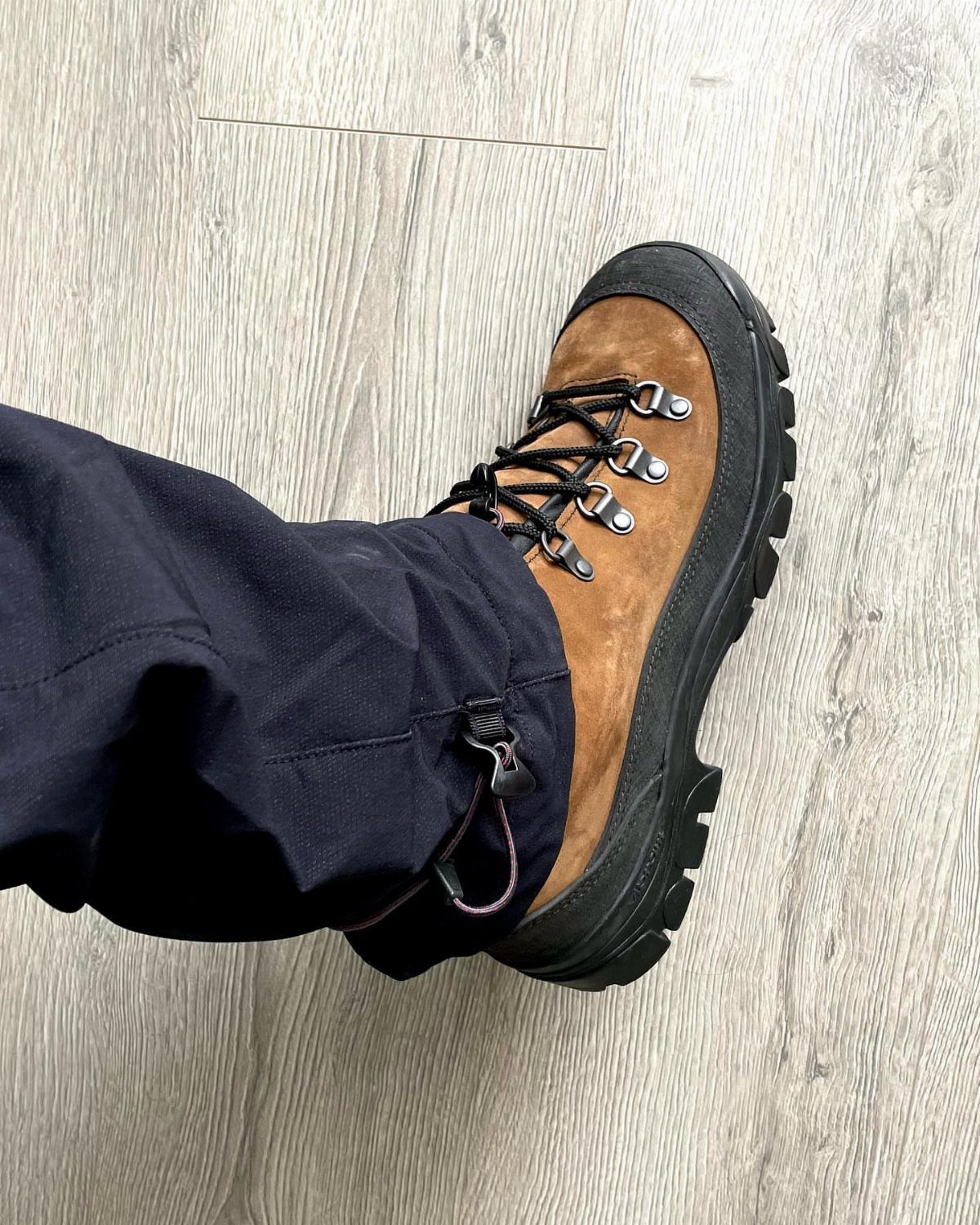
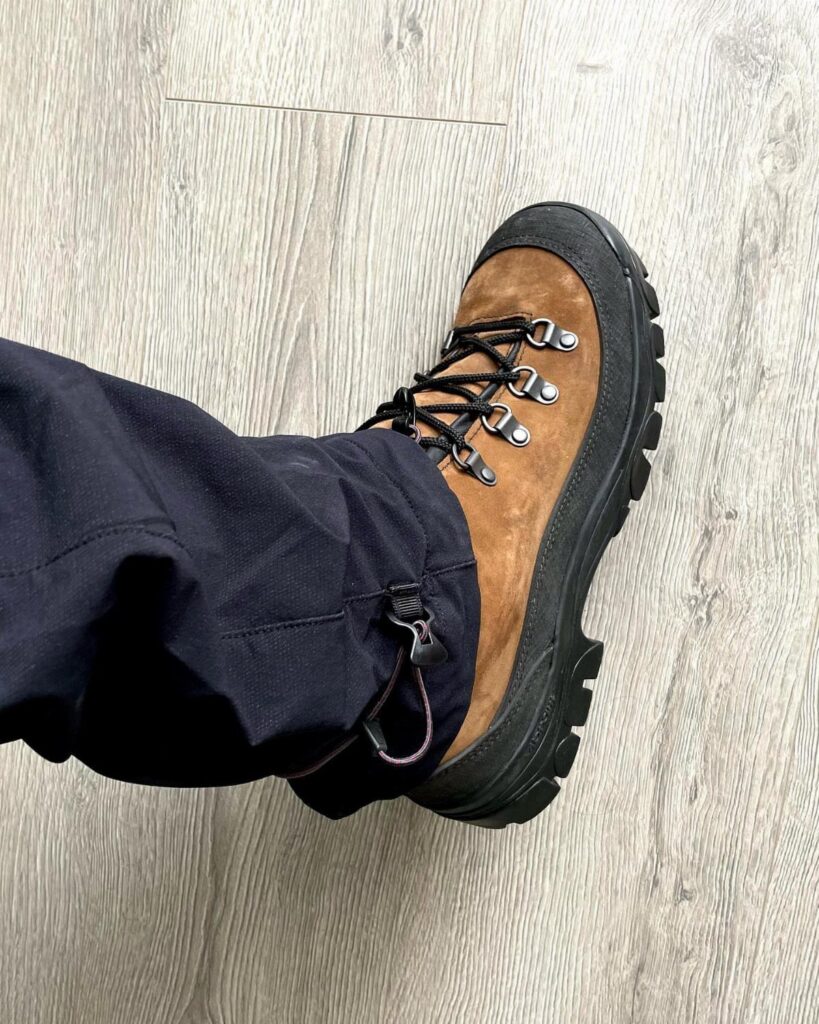
The dark outsole grounds the lighter upper, so the boot reads as a deliberate choice rather than gear pulled from a closet.
Keep the trousers slim and dark so the boot is the only rugged thing in the outfit. Black or charcoal pants that stop at the ankle show off the shape without bunching.
I would pick this over a heavier trail boot for daily wear, since the suede looks more like a shoe than equipment. Suede does stain, so a protective spray before the first wet day is cheap insurance.
2. Waterproof Sneakers
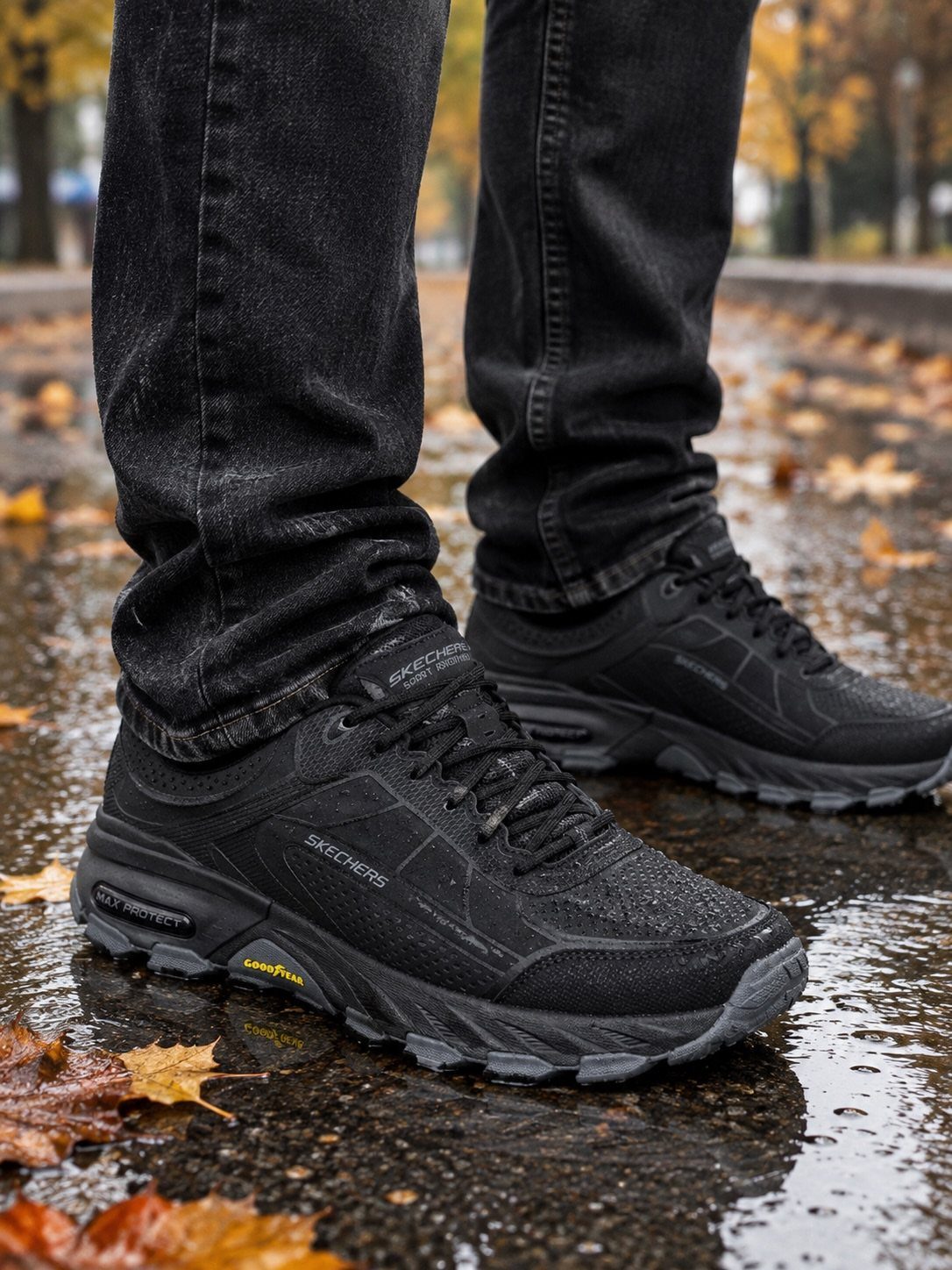
Wet pavement and fallen leaves are where a sneaker either earns its place or gets retired. A black pair with a protective water-resistant build keeps the sneaker habit alive through slush season.
Black is the smart color here. It hides salt lines and mud, and it works with jeans, chinos and dark joggers without any planning.
I like these for commuting and errands, where a full boot feels like too much.
The cost is warmth: a sneaker has less ankle coverage than a boot, so wear thicker socks and save it for cool, damp days rather than deep cold.
3. Boots with Chunky Soles
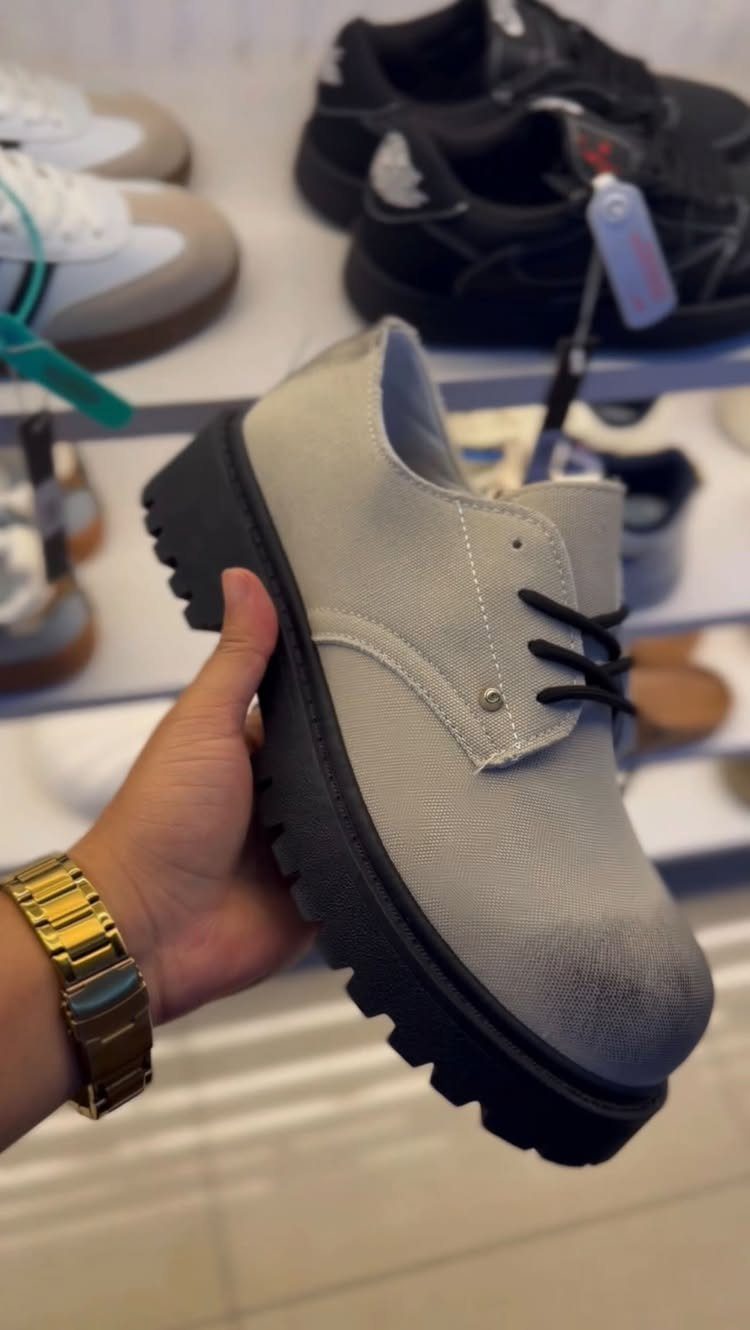
Thick lug soles change the proportions of a boot, and a low-cut silhouette keeps that bulk from looking clumsy. A light grey upper with a black sole, as in this pair, adds contrast that makes the sole the focal point.
Pair it with straight or slightly tapered pants, with the hem sitting just above the top of the boot so the sole stays visible. Skinny jeans make the boot look oversized.
For a guy who wants one casual pair that handles pavement and the odd rough patch, I would take this over a standard sneaker. Check the upper material before buying, since canvas will not cope with heavy wet snow.
4. Fur-lined Winter Boots
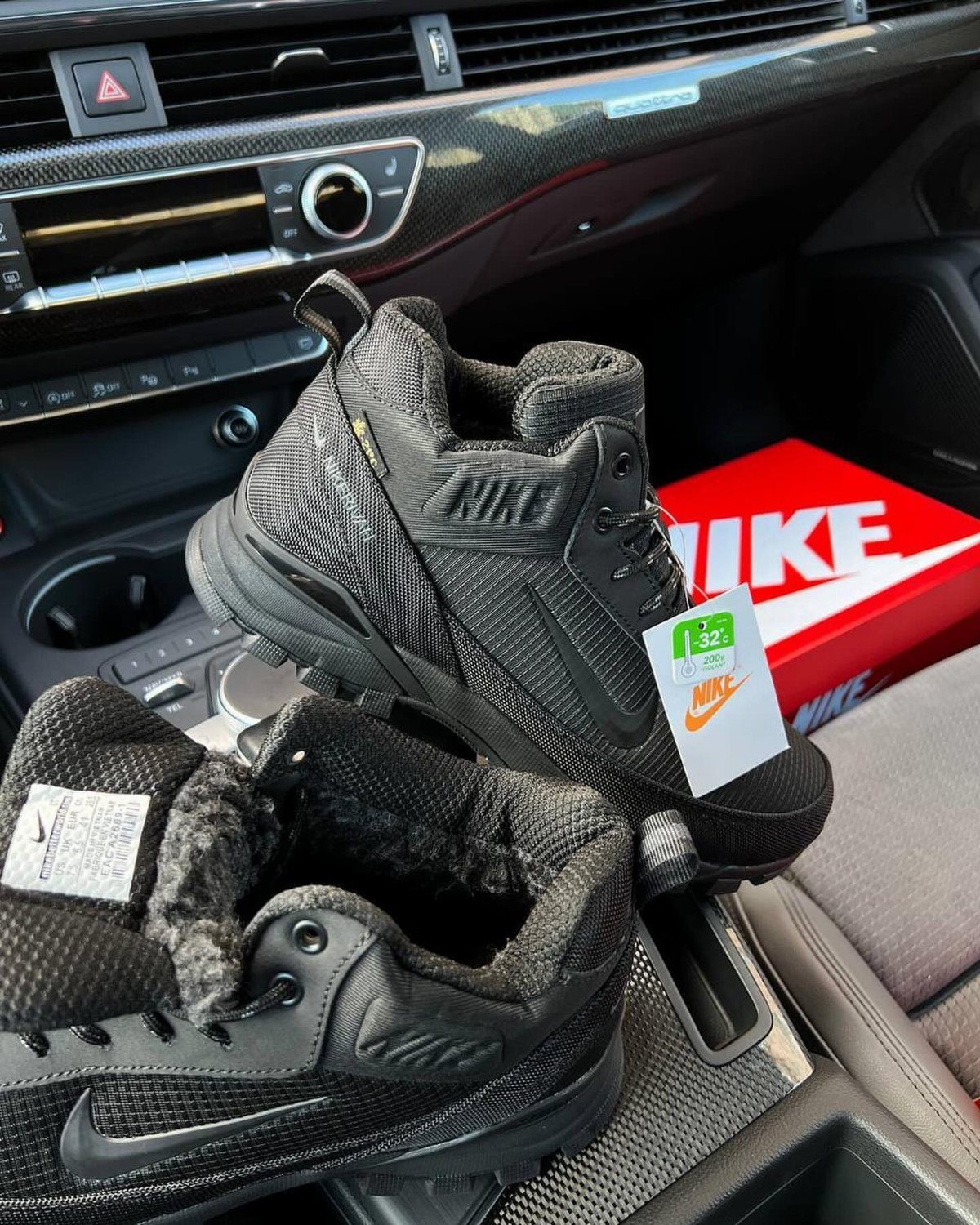
Faux fur lining gives a high-top boot its warmth without changing how it looks from outside. The black Nike pair here keeps a clean, sporty profile, so the insulation is a quiet bonus rather than a statement.
Black goes with nearly everything, which suits anyone who wants to buy once and stop thinking. Wear it with dark jeans or joggers, and tuck or stack the hem so the ankle stays covered.
I prefer faux lining for the lower upkeep and the lighter feel. The limit is breathability: lined boots run warm, so they belong outdoors and in cold commutes, not in heated offices all day.
5. Quilted Puffer Winter Boots
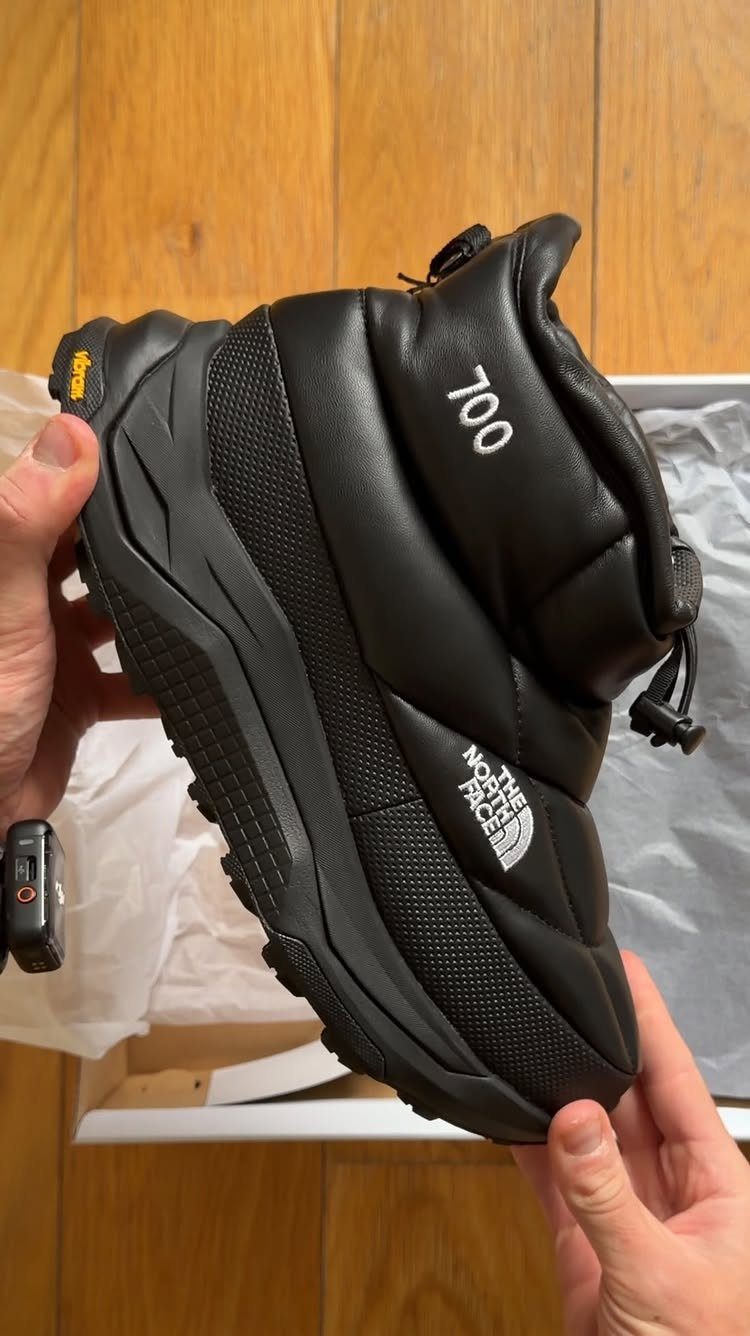
Quilted baffles make a boot look like your puffer jacket’s feet, and that matching logic is the appeal. The black North Face pair here has the puffy upper and sturdy sole that suit slushy sidewalks.
Because the boot is so voluminous, keep everything above it simple.
Slim, dark pants and a plain jacket balance the bulk. Wide trousers on top of a puffer boot get messy fast.
I would choose black over brighter colors for the same reason I choose dark outerwear: it hides dirt. This is a casual boot, best for cold weekends and travel, not for anywhere that expects leather.
6. Dial-closure Snow Boots
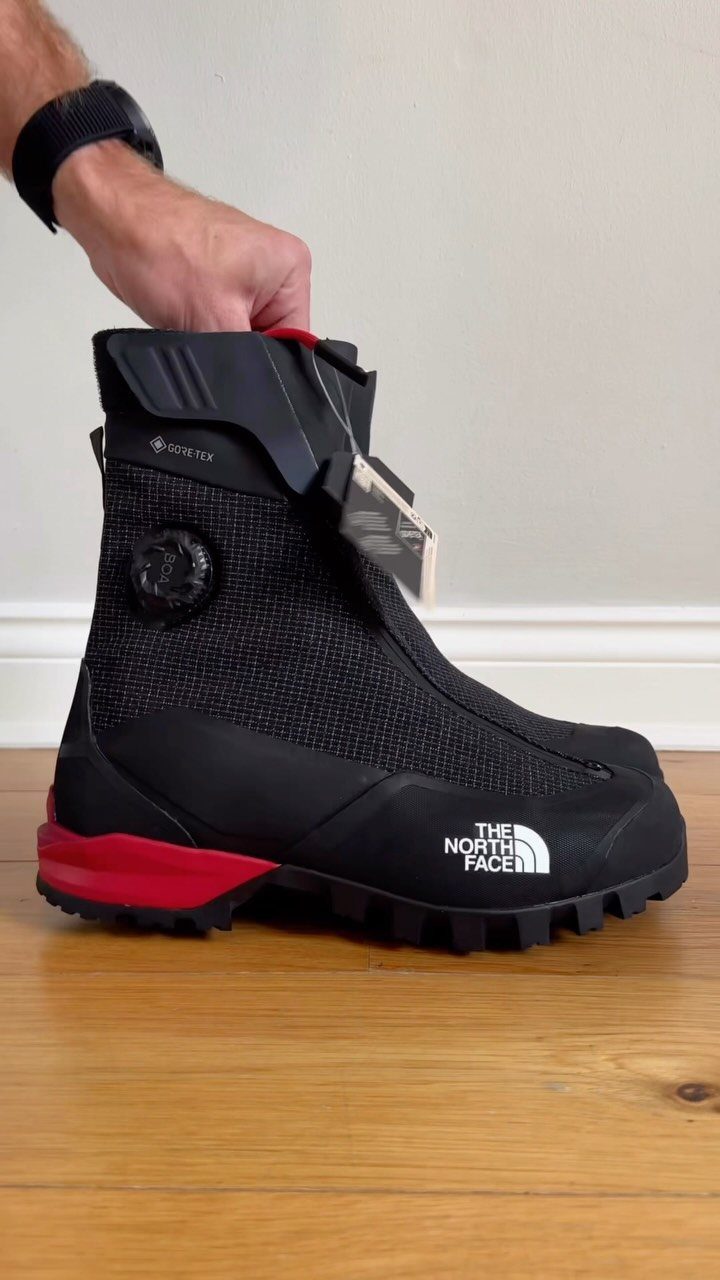
A BOA dial replaces laces with a turn of the knob, and that matters most when your hands are cold or gloved.
The black North Face boot shown pairs the dial with a red sole, which gives an otherwise dark boot one sharp accent.
Tighten it until the heel feels locked, then back off slightly if your toes feel pinched. Pull-on speed is the whole reason to buy this style.
I would wear it with dark, slim pants worn over the shaft, or tucked into the boot for snow. It is technical-looking, so it fits best on weekends and trips rather than at a desk.
7. Suede Winter High-tops
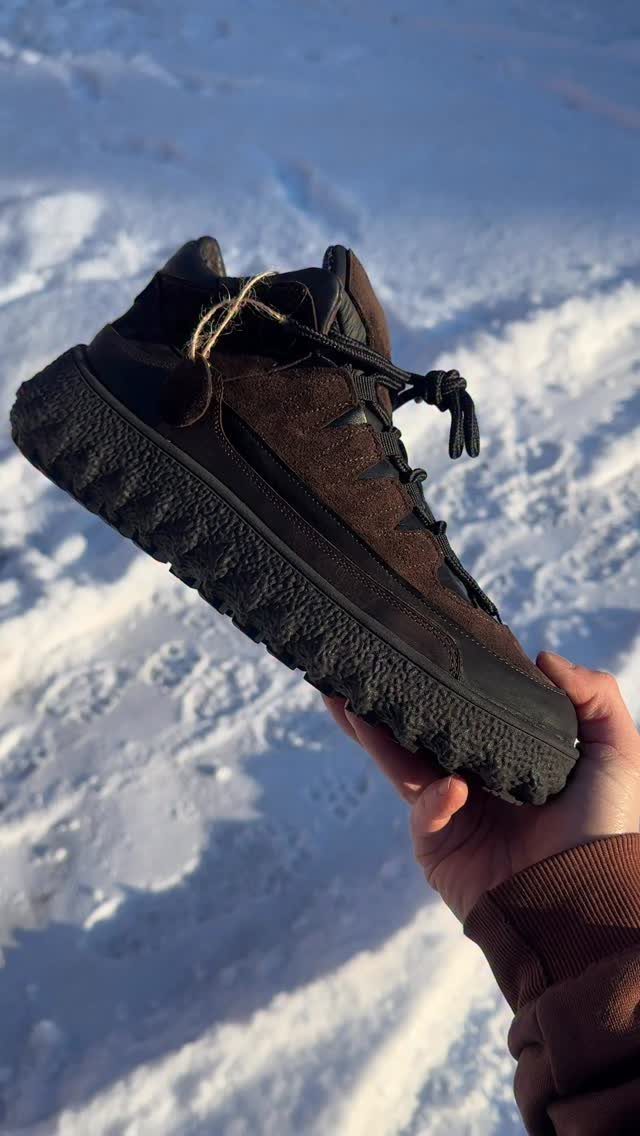
Brown suede is the warmest-looking material a winter boot can wear, and a thick black rubber sole with deep texture gives it the grip that snowy sidewalks ask for.
The high-top shaft covers the ankle, which a low sneaker never does.
Brown works with navy, olive and grey, so dark denim or charcoal chinos need no planning.
The hem should sit over the top of the shaft or stack just above it, so the suede and the black sole both stay in view.
I like this better than a black boot when the outfit is otherwise dark, since the brown adds warmth without adding noise.
Suede marks easily in slush, so spray it before the first snow and brush it dry afterward. For dry, cold days it looks best; for salted streets and deep wet snow, I would reach for something else.
Choosing Winter Shoes
3 things decide whether a winter shoe works: a waterproof upper, insulation, and a sole that grips. A pair missing one of them will let you down by January.
Check the waterproofing first, since wet feet get cold faster than any amount of lining can fix.
Then look at the outsole. Deep, widely spaced lugs bite into slush, while a flat, smooth rubber sole turns an icy curb into a hazard.
Low-tops can handle winter too.
You can skip the heavy leather boot if the shoe is insulated or waterproof, and styles run from sporty to smart. I would pick the pair that covers your worst day, not your average one.
Sustainability in Footwear
Buying less and buying better is the sustainable move in footwear, and it also saves money. A boot that lasts 5 winters beats three cheap pairs that split at the seam.
Look for repairable construction. A Goodyear welt lets a cobbler replace the sole without rebuilding the shoe, and a Vibram sole is about as long-lasting as rubber gets.
Vegetable-tanned leather and crepe rubber are 2 materials that hold up well and age better than synthetics. Crepe is soft and comfortable, but it is not the grippiest option on wet pavement, so I would save it for dry days.
Versatility in Style
Brown derbies in leather cross between formal and casual better than any other shoe this time of year. It works with chinos on a Saturday and with a sport coat on Monday.
Add a dark oxford for when the occasion calls for more formality, such as a wedding or an interview. A refined boot becomes more useful as temperatures drop, and it covers the days when the other two are too light.
If your budget allows only one, start with the derby.