Winter footwear in this list runs from the dry-weather chukka boot to the full snow boot, and the pair that suits you depends on how much slush and ice your daily route holds.
Suede wants dry pavement, while Gore-Tex, rubber lugs and smooth leather handle salt and wet; the materials and traction sections below cover each in detail.
1. Chukka Boots
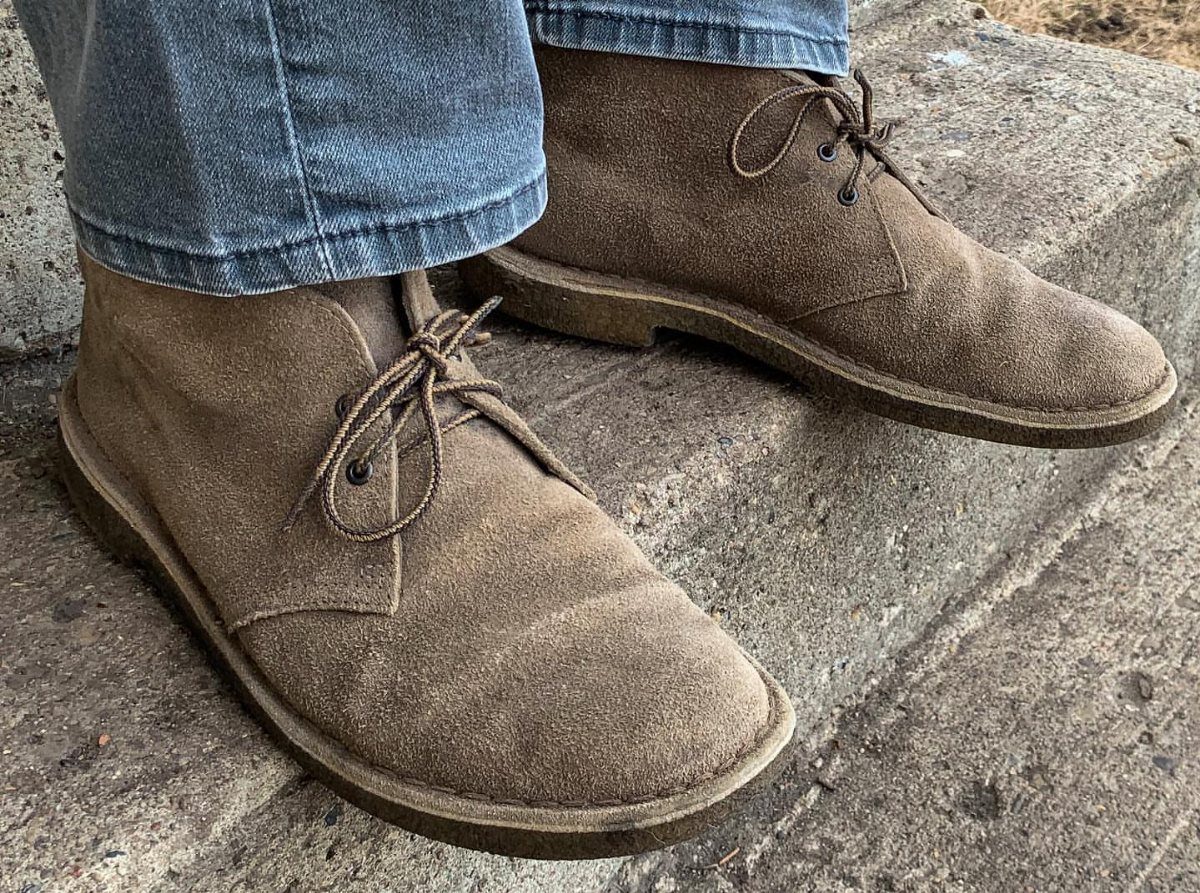
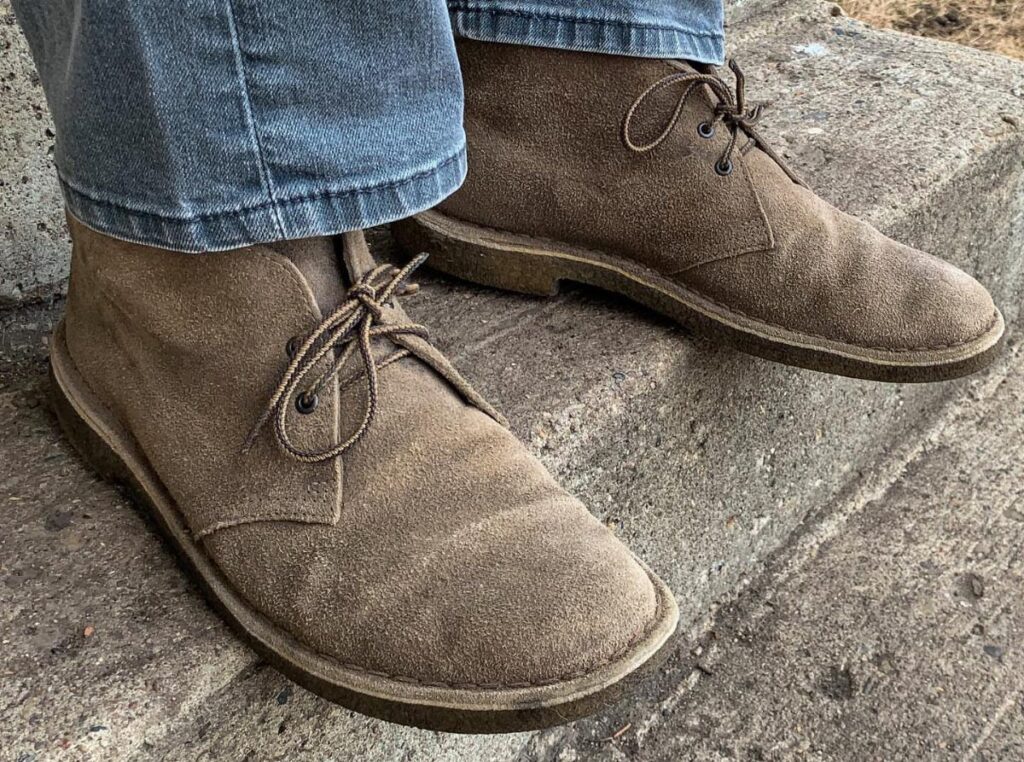
Brown suede chukkas are the easiest boot to wear with blue jeans, and I would start there. The open-lace, ankle-high cut stays low-key, so the pair works with chinos, dark denim and a plain sweater without any planning.
Suede earns the color depth, but it handles wet pavement poorly. On slushy days I would pick a different pair and save these for dry, cold ones.
2. Chunky Soles
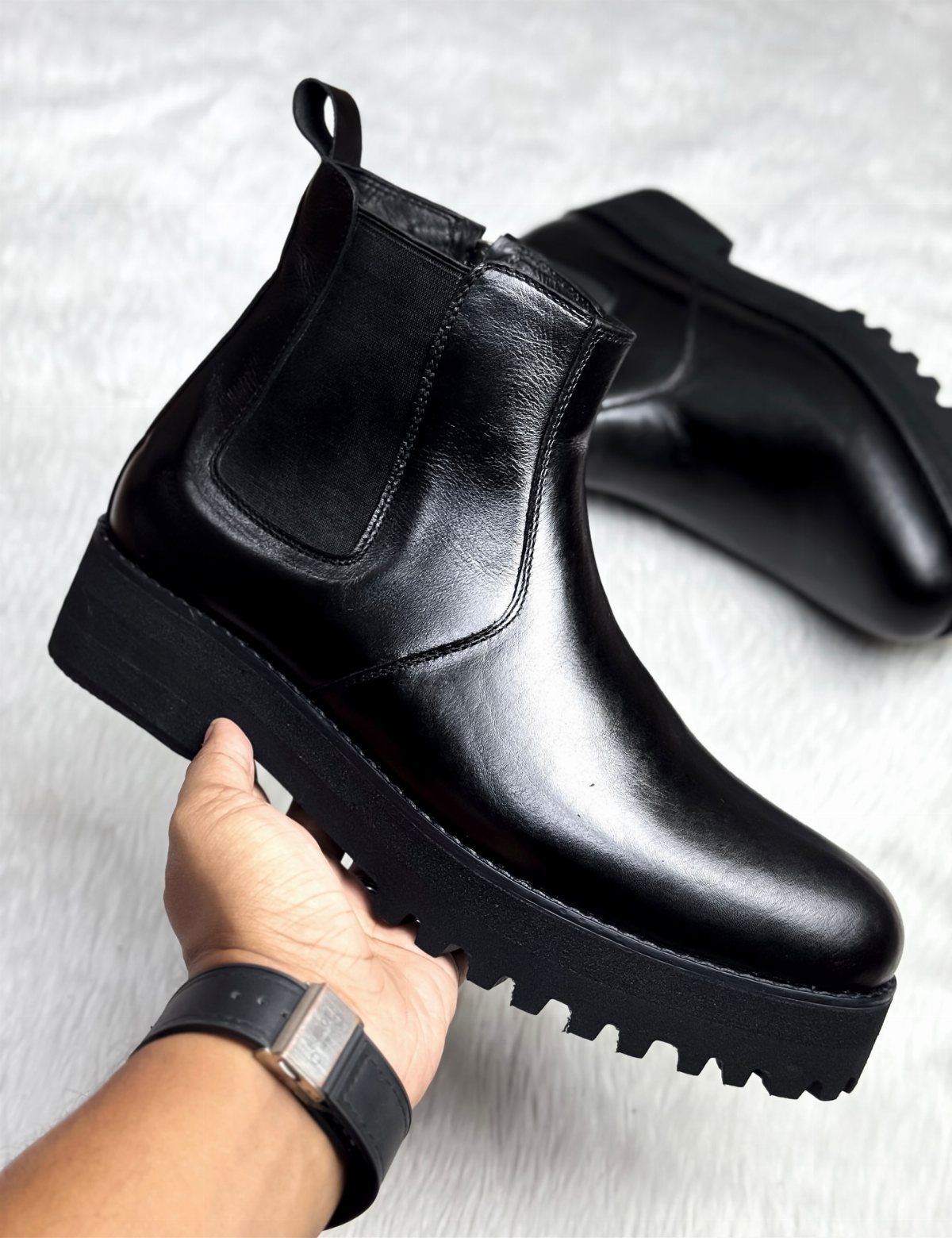
Chunky soles turn a plain black leather Chelsea into a winter boot. The thick lugged sole raises the heel, adds insulation between you and cold ground, and gives the smooth upper some bite.
I like them best with straight or slim dark trousers, where the heavy base balances the leg line. Expect a bulkier, heavier boot than a sleek dress version, and that is the cost of the grip.
3. Snow Boots
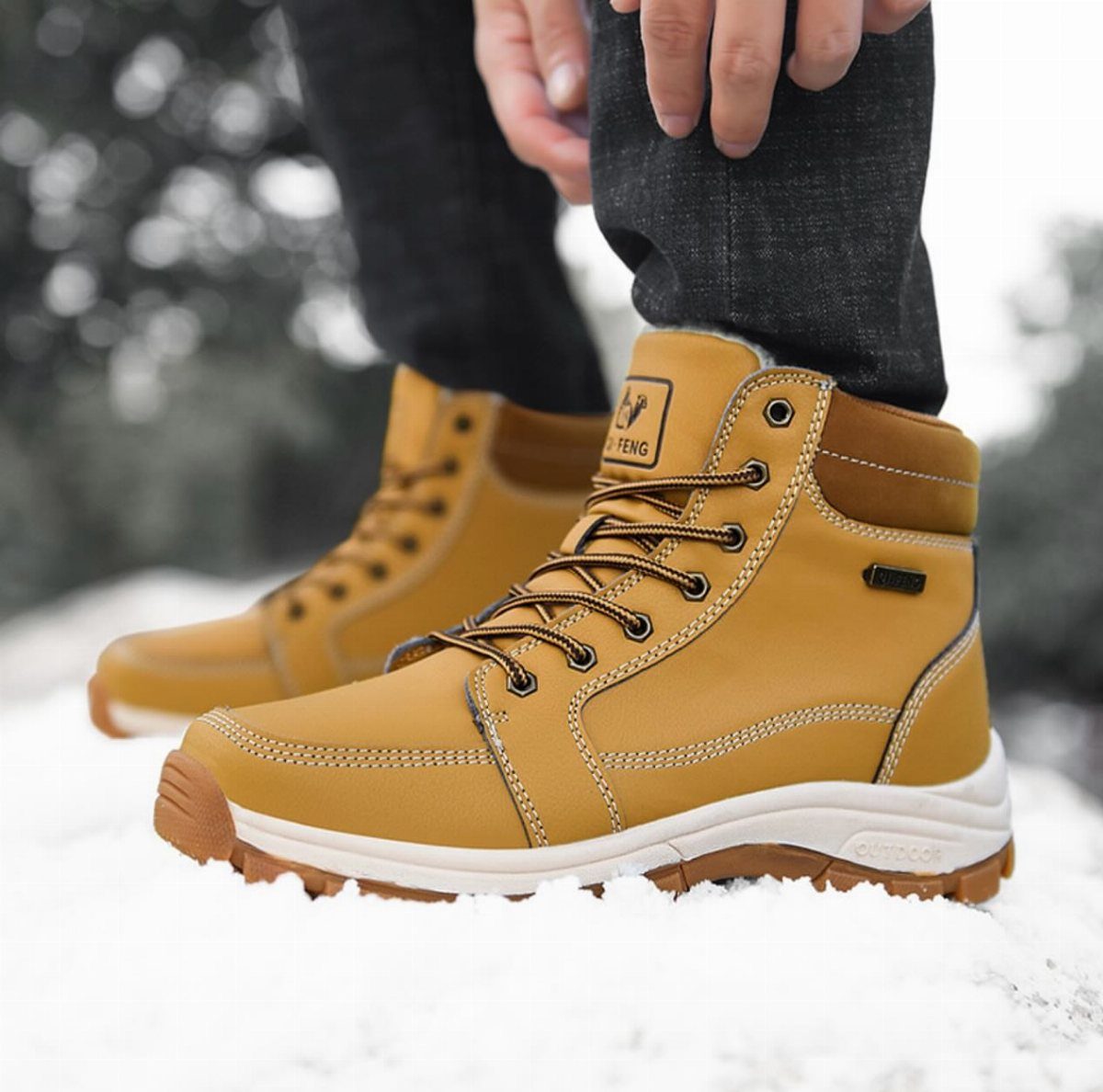
The insulation keeps feet warm while standing in drifts, which no fashion boot can promise.
Wear them with dark trousers so the boot stays the focus. They are too bulky for an office floor, so keep them for commutes and weekends outside.
4. Trail Runners
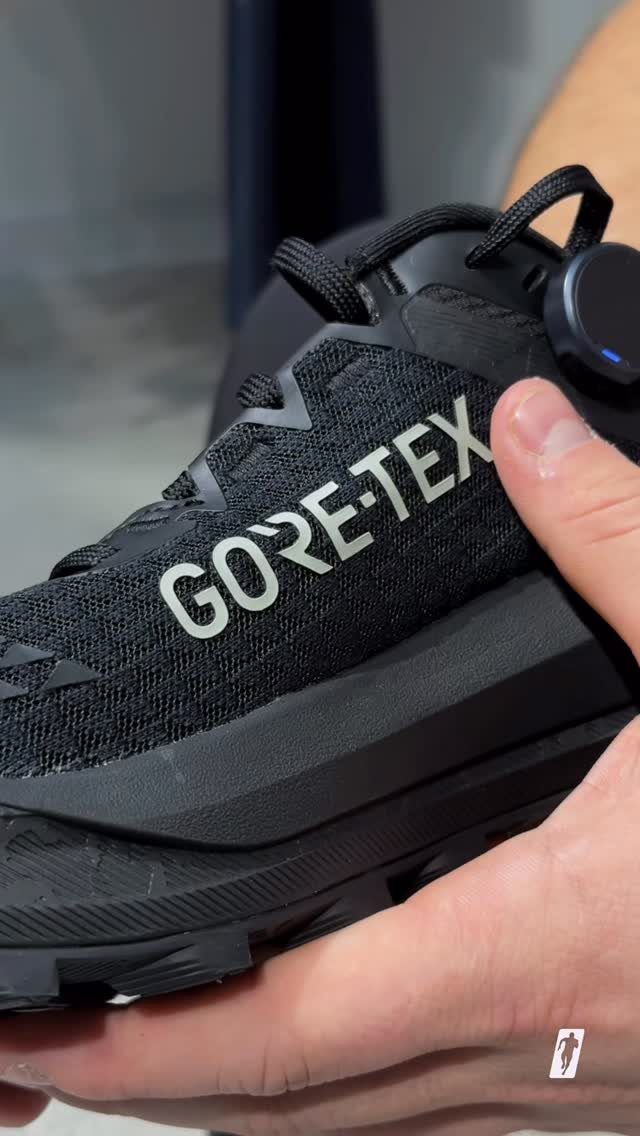
A black GORE-TEX trail runner is the pick for men who refuse to wear boots. It looks like a regular sneaker, and the waterproof membrane handles wet sidewalks.
The Nike Pegasus Trail 5 GORE-TEX, the Salomon ACS PRO GTX and the New Balance Fresh Foam X Hierro v8 are the models worth comparing. Choose black for the cleanest look with dark jeans or joggers.
Lifestyle running remains a major growth driver, with consumers responding to styles like the Asics Gel-1130, Gel-NYC, Gel-2160 and Stratus as well as On silhouettes including the Cloudtilt and Cloudmonster, and the Nike P-6000.
5. Combat Boots
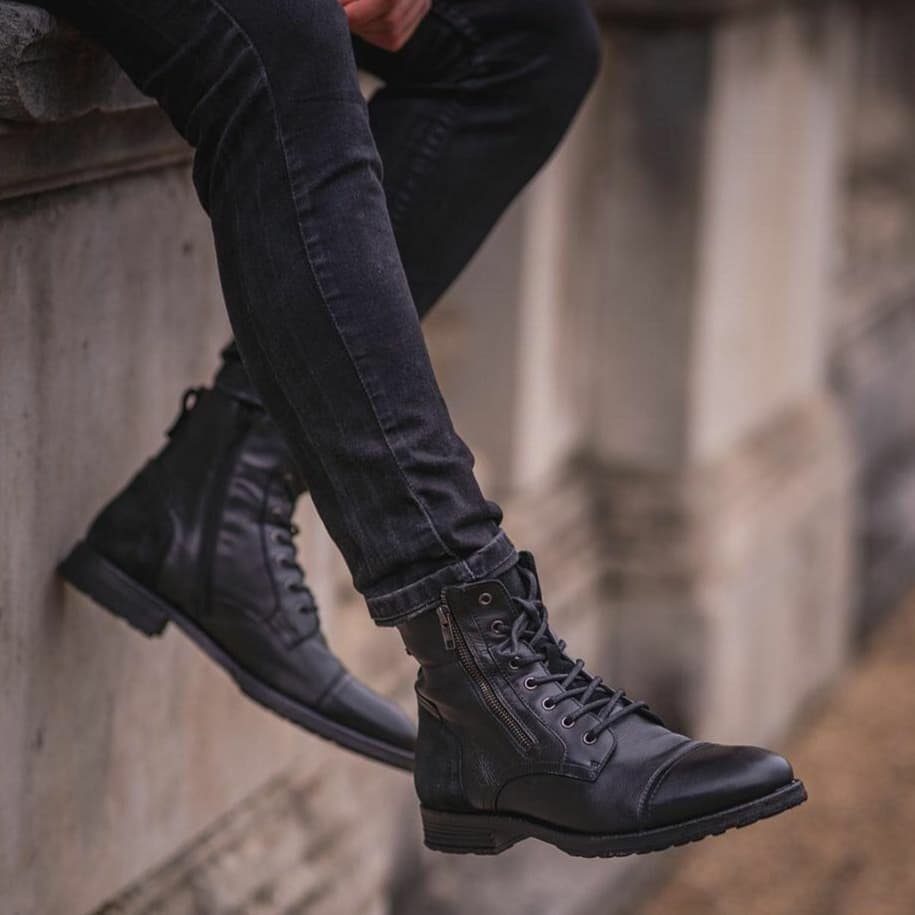
Black leather combat boots with side zippers solve the lace-up chore: zip in, and the boot still looks tough. Pair them with black slim-fit jeans and the whole leg stays one clean line.
I prefer them over chunkier work boots when the outfit needs some edge but still has to look tidy. Keep everything else simple, since the boot already carries the attitude.
6. Side Zip Ankle Boots
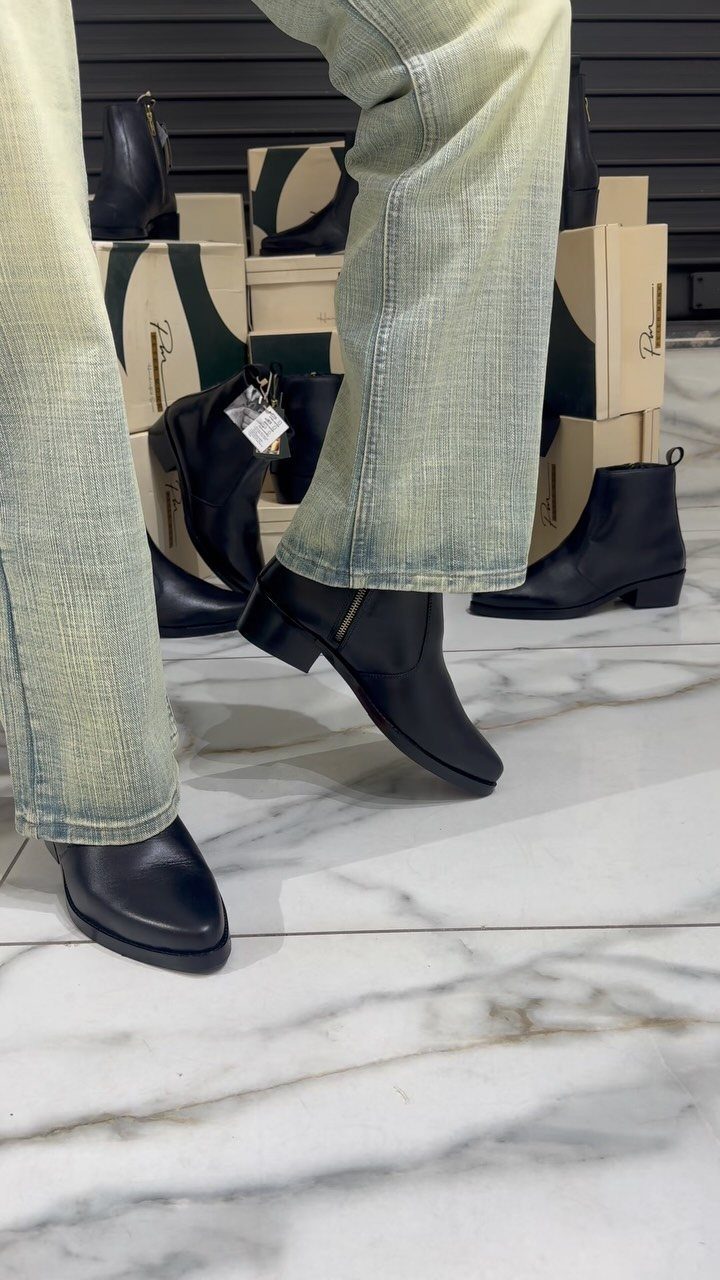
Sleek black side-zip ankle boots look sharpest against light, textured trousers, where the dark leather gives clear contrast. A zipper makes them quick to pull on, which matters on cold mornings.
For work or dinner, they sit between a sneaker and a lace-up dress boot. Keep the leather polished and the trouser hem slim enough to clear the ankle opening.
7. Leather Dress Boots
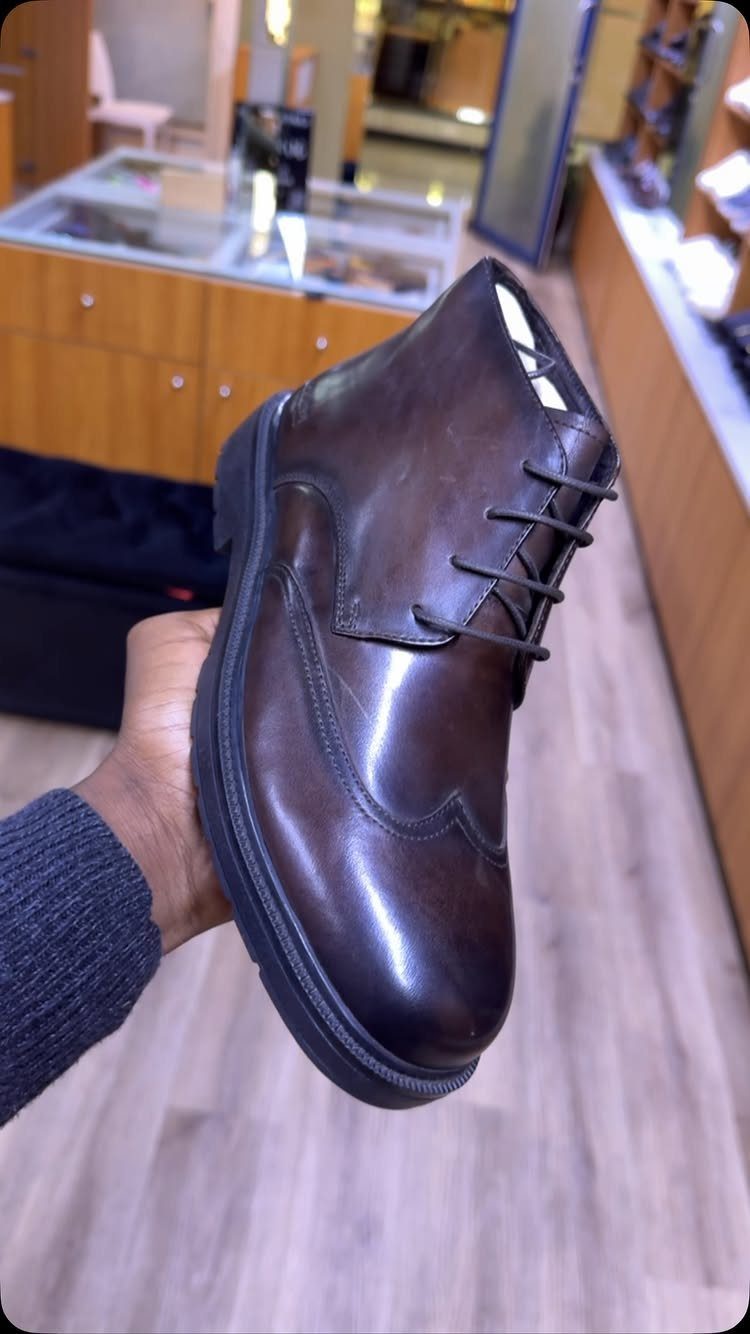
A dark brown lace-up dress boot with a thick sole is the version I would buy first. Dark brown goes with gray flannel, navy and charcoal, and the heavier sole handles cold pavement better than a thin leather one.
Wear it with wool trousers cut to just break at the top of the boot. Keep the leather polished, since a clean finish is what keeps a sturdy boot looking like dress footwear.
8. High-Top Winter Sneakers
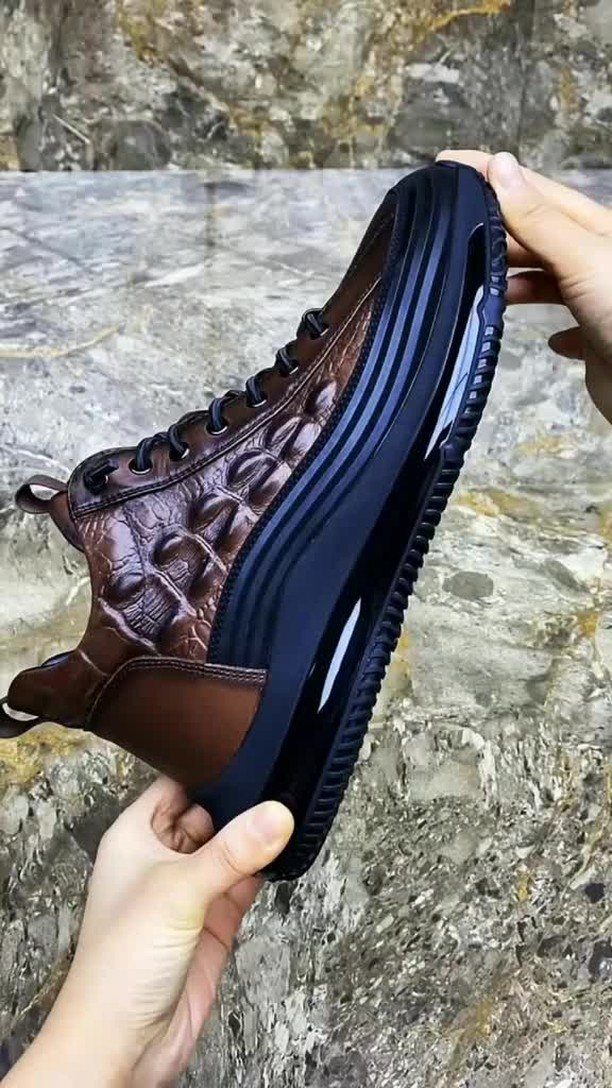
Brown leather high-tops with a thick black platform sole bring a sneaker into winter without a boot’s weight on the ankle. The crocodile-textured leather reads dressier than canvas or mesh, and the high cut covers the ankle against wind.
Dark, slim denim works best here, because it lets the chunky sole be the one loud detail and keeps the rest of the outfit quiet.
Wet streets are a limit, so I would wear them on dry days and keep a boot for slush.
9. Faux-Fur Lined Boots
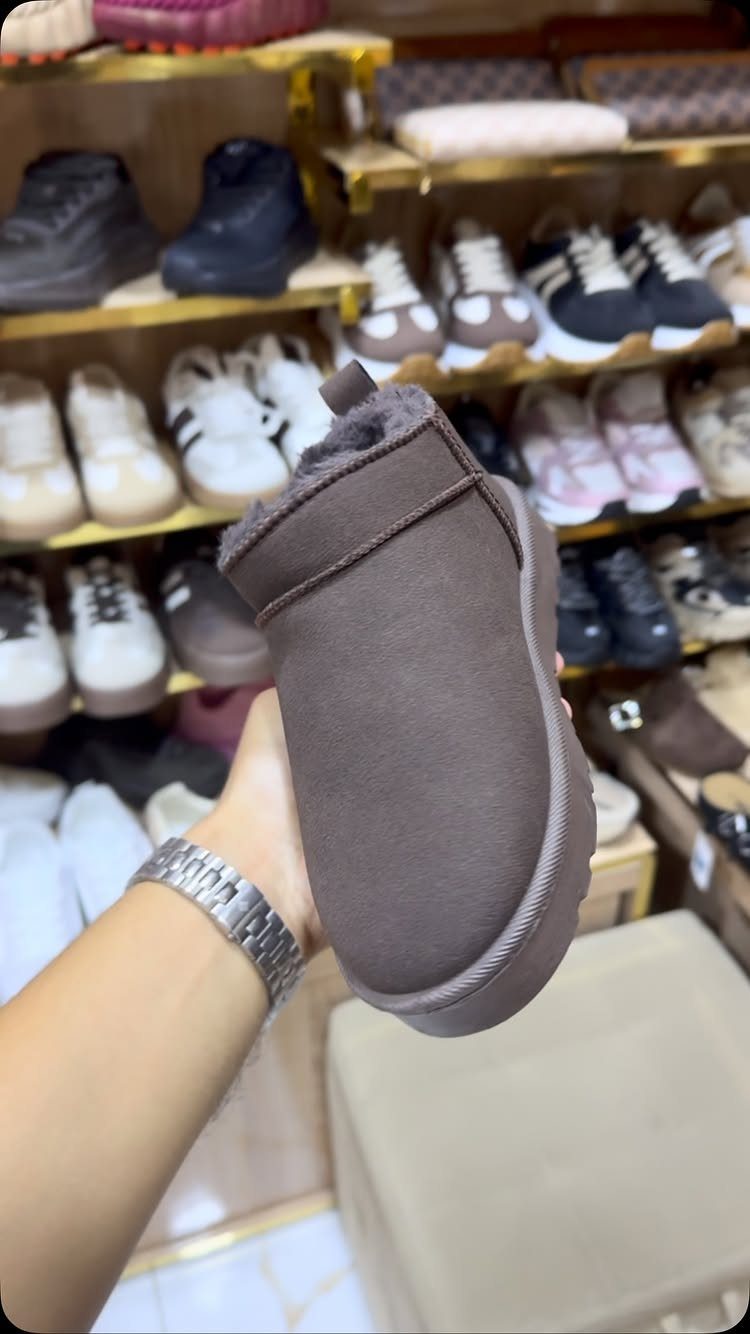
Faux fur lining is what makes a suede ankle boot a cold-weather pick. It insulates without the bulk of a full snow boot, which suits men who want warmth and a clean silhouette.
Brown suede works with dark denim and a knit sweater. Suede and slush don’t get along, so I would treat these as a dry-cold boot, and a lined boot can run warm indoors.
Choosing the Right Materials
Smooth leather, rubber and tough synthetics hold up to a full season of slush and salt. Mesh and canvas soak through fast, so skip them from December on.
Gore-Tex and Thinsulate suit men who want a dry, warm foot without a heavy boot.
Gore-Tex handles the water, and Thinsulate adds insulation. Leather is the third option, and it looks better the longer you wear it.
I would pick leather for work and dinners, and a Gore-Tex pair for long walks in wet weather.
Importance of Traction
Leather soles, crepe rubber and anything flat are the worst offenders on wet leaves, ice and slick sidewalks. Check the bottom of a shoe before you buy it, not just the top.
Look for a rubber compound made for grip, or deep, pronounced lugs that bite into wet ground. If a pair you already love has a slick sole, a cobbler can often add a rubber layer.
Layering for Warmth
Insulation can come from the shoe or from what you add to it. A padded sneaker beats an unlined leather shoe, and synthetic or pile linings add more warmth.
For a pair you already own, try an insole.
Reusable ones are better than the disposable drugstore kind, which warm feet for up to 8 hours but create waste. You can also find insoles with battery-powered heating if cold is serious where you live.
Socks matter just as much.
A proper sock for cold weather, even one without full insulation, does more than the thin ones you wore all summer. Size the shoe while wearing those thicker socks, or you’ll end up with a boot that doesn’t close.
Frequently Asked Questions
What are the men’s winter shoe trends for 2026?
Chunky lugged soles lead, especially on black leather Chelsea boots, along with Gore-Tex trail runners and winter high-top sneakers.
Outdoor-style sneakers from brands like Salomon and HOKA are also moving into everyday wear, and brown, bordeaux and olive are popular colors.
These styles all trade a sleek profile for grip and warmth, which is what winter asks of a shoe.
How do I keep my feet warm in winter shoes?
Start with a lined or insulated shoe, since padded and synthetic or pile linings beat unlined leather.
Thicker cold-weather socks add more warmth than thin summer ones, so size your shoes while wearing them. An insole helps too, and reusable ones beat disposable warmers, which last up to 8 hours.