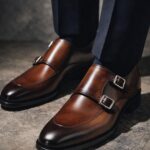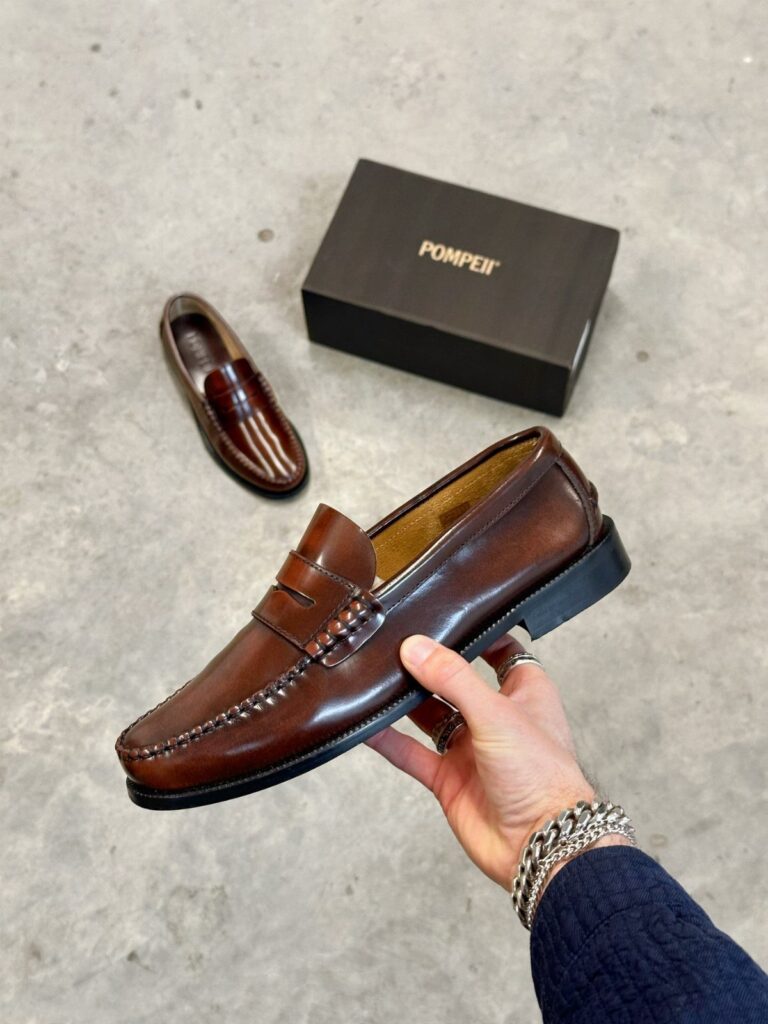
Which of these 6 shoes you buy first depends on what your week asks of you: a black oxford covers the formal room, while brown derbies and penny loafers handle the office and the weekend.
1. Black Oxford Shoes
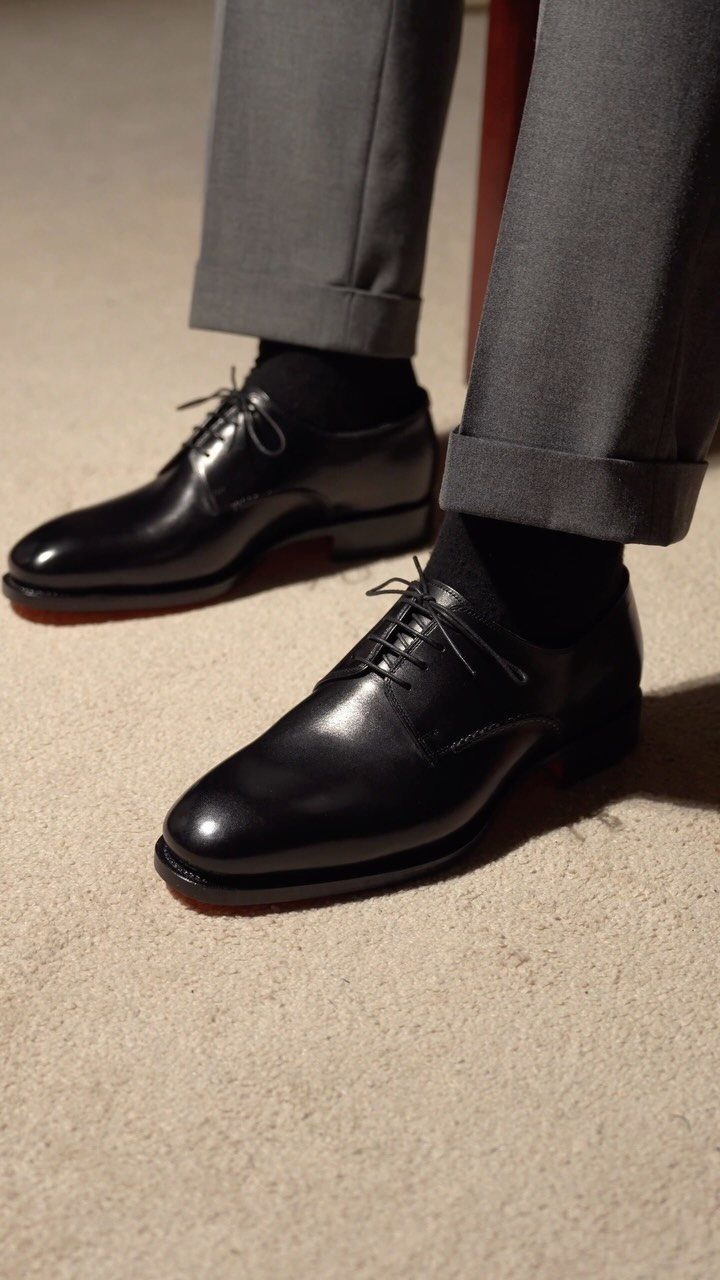
A black oxford is the shoe for the room where everyone else is in a suit. The closed lacing gives it a clean, narrow line, and black leather with grey trousers is about as safe a pairing as exists.
Match the socks to the trousers or the shoe so the leg reads as one unbroken line.
Keep the leather polished. If you buy only one formal pair, this is the one I would pick.
2. Brown Derbies
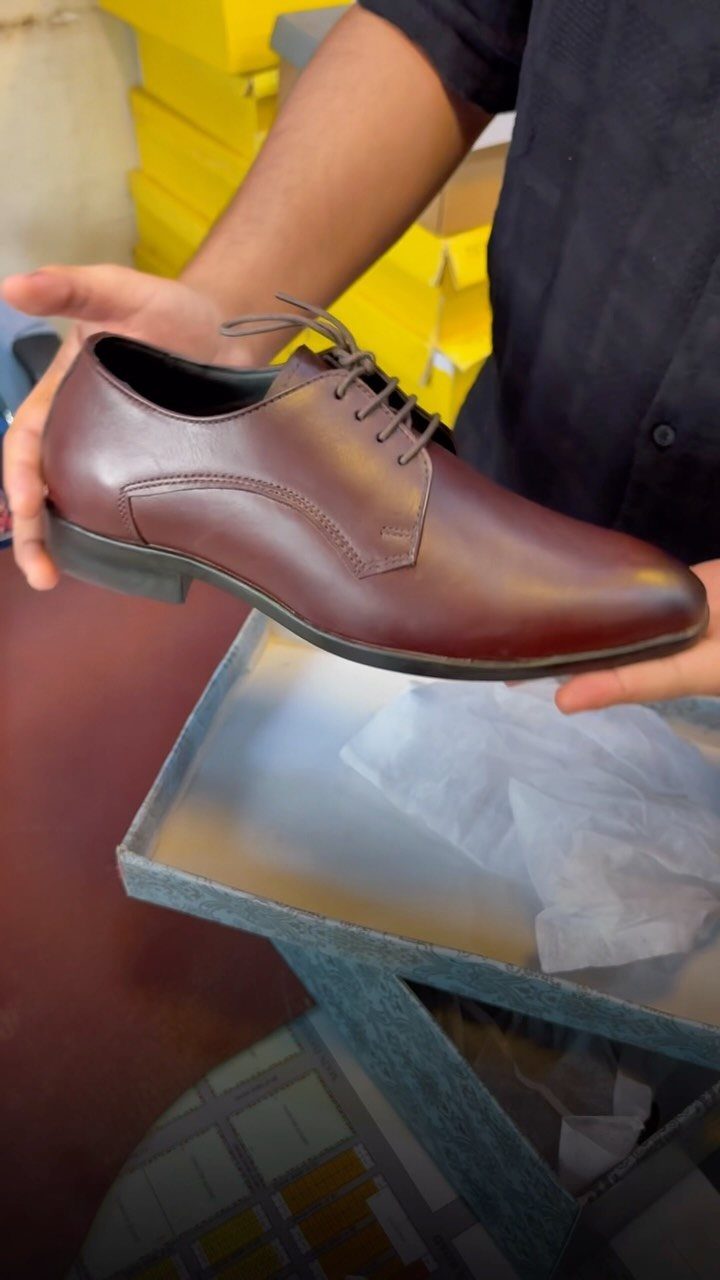
Brown derbies cover more ground than any other dress shoe I can name. The open lacing makes them a little more relaxed than an oxford, so they sit comfortably under chinos, denim and a sport coat.
Dark brown is my preference over tan, since it goes with navy, grey and olive without argument. They won’t replace black oxfords at a formal event, but for an ordinary workweek they do most of the job.
3. Chelsea Boots
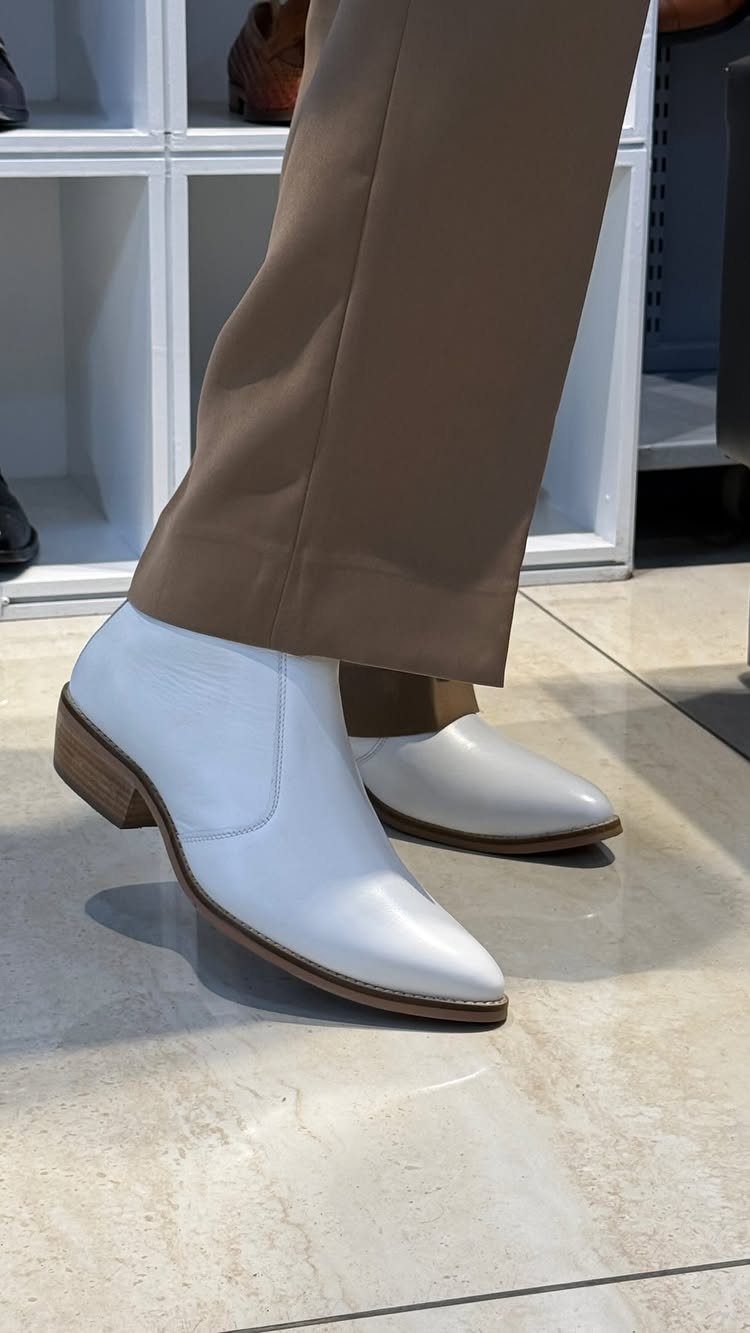
Cooler weather is when Chelsea boots earn their spot. They slip on with no laces, and the sleek ankle line stays under a trouser hem without bunching.
White leather is a bolder choice that shows scuffs fast and needs regular wiping.
Black or brown is the easier first pair. Wear them with slim or straight trousers that stop at the ankle, so the boot shows.
4. Penny Loafers
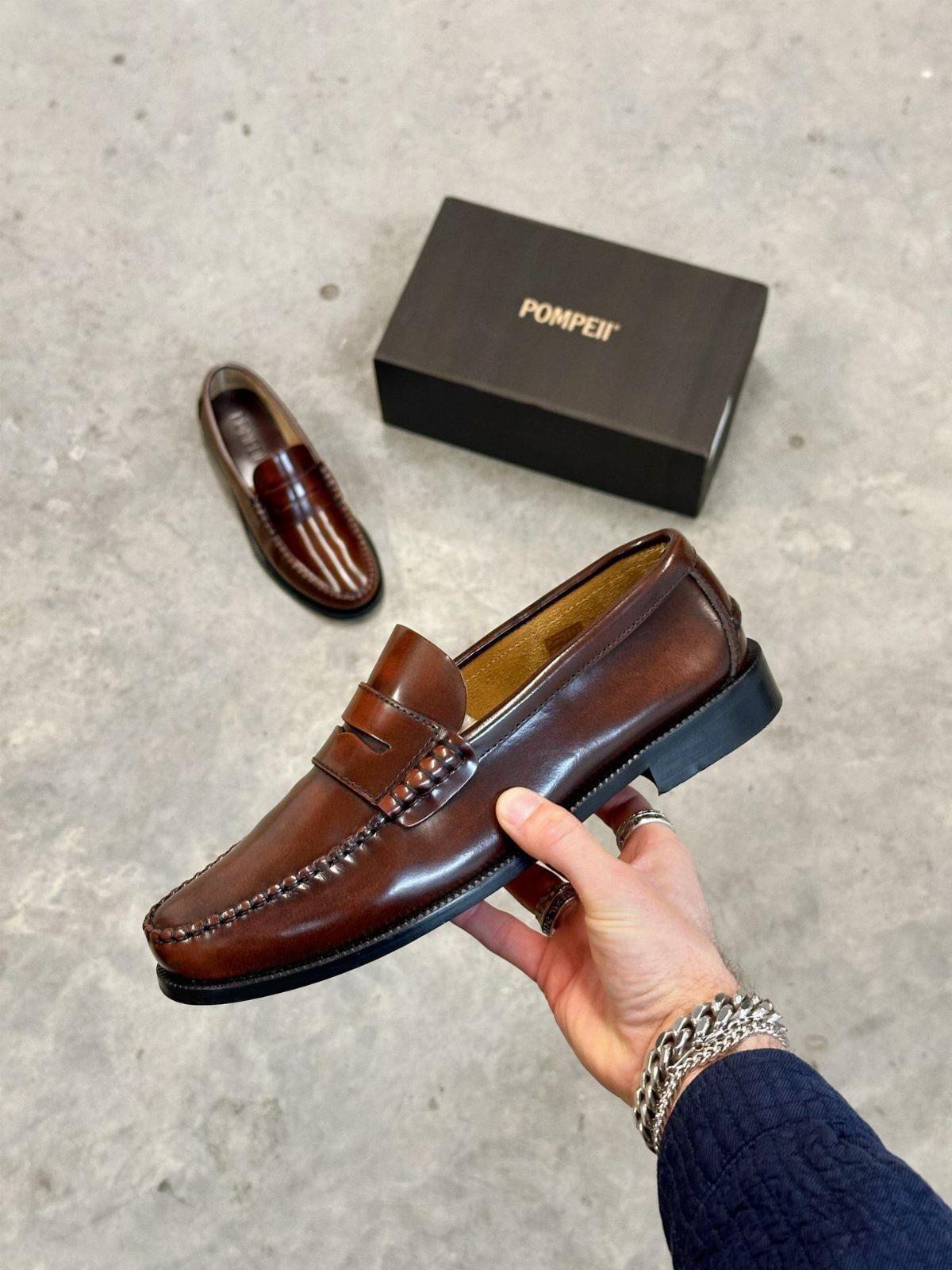
Penny loafers are the shoe I reach for when I want comfort without looking sloppy. With no laces, they go on in seconds, and the low profile suits chinos, tailored shorts and relaxed trousers.
Brown leather is the most flexible color.
Skip them for formal events, where an oxford is still the better call. Going sockless or wearing thin socks makes this feel lighter.
5. Monk Strap Shoes
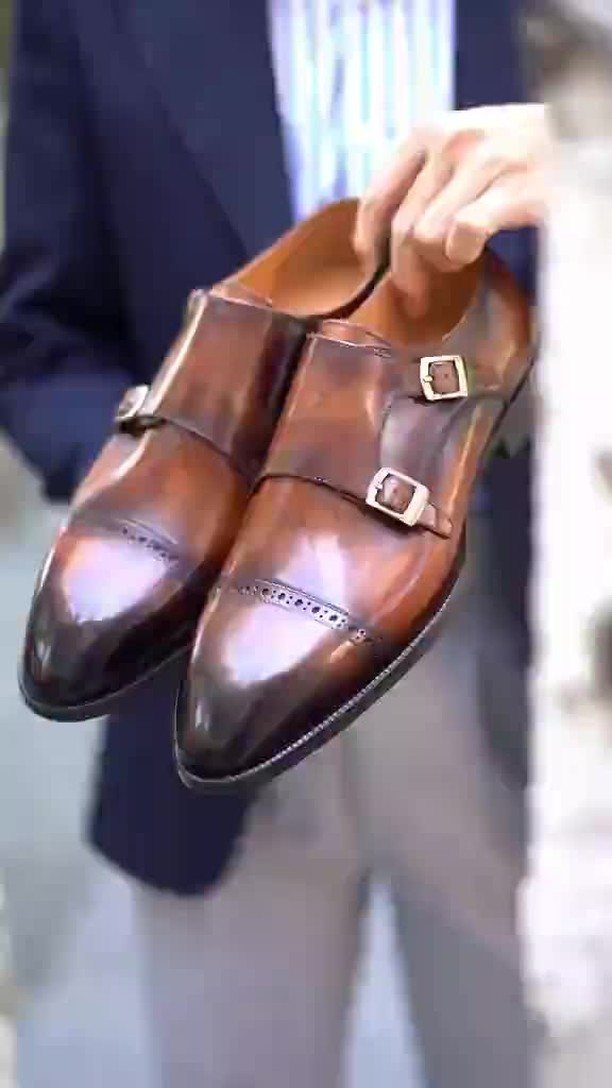
Monk straps swap laces for buckled straps, and that small change makes them stand out. A double monk, with 2 buckles, looks sharp with a blazer and a striped shirt.
They sit between dress and statement shoes, so they suit a man who already owns the basics and wants something different.
Brown is easiest to wear. Fasten them snug across the instep so the straps sit flat.
6. Classic Chukka Boots
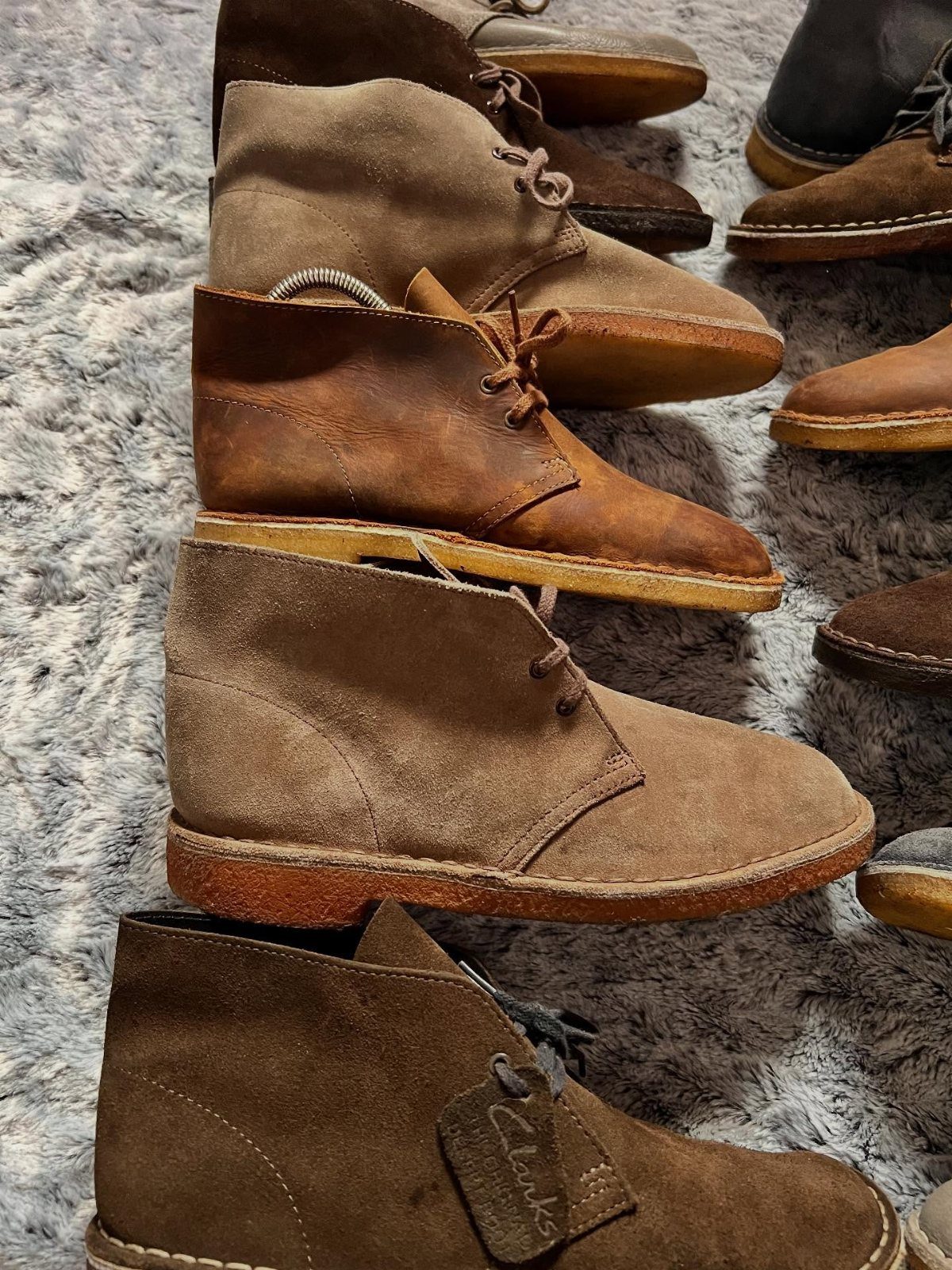
Chukkas are short, two-or-three-eyelet boots, and the suede versions in earthy browns and tans are the easiest to wear every day. They go with jeans, chinos and cords without any effort.
Suede is softer and more casual than smooth leather, but it dislikes water, so a protective spray is worth the few dollars. Choose tan for summer and warm outfits, or dark brown if you want it to go with more.
Building a Balanced Shoe Collection
A lot of guys end up with 5 pairs that all do the same job, while the wedding, the interview, and the rainy commute go unanswered.
Before buying another pair, sort what you have by job: formal, business casual, weekend. Wherever a slot is empty, that is your next purchase.
Buy fewer pairs and spend more on each. One well-made pair that you wear twice a week beats three cheap ones that fall apart in a year, and the cost per wear usually favors the better shoe.
A black-tie invitation, a business casual office and a Saturday of drinks should each have a pair waiting by the door. If one pair covers two of those jobs, even better.
Importance of Shoe Care
Dirty shoes drag down an otherwise strong outfit, and care takes about 5 minutes a week. Brush leather after wearing it to knock off dust, then clean and condition it on a regular schedule so it doesn’t dry out and crack.
Suede needs its own brush. Use it on dry suede, and never treat it like smooth leather.
Rotate your pairs. Wearing the same shoes daily never lets the leather dry out, so give each pair a day off between wears.
Put shoe trees in as soon as you take them off. They absorb moisture and hold the shape, which keeps creases from setting deep.
Choosing Versatile Colors
Stick to a short palette: black, dark brown, tan, white, navy and grey. Pick those six and nearly anything in your closet will work with them, no outfit planning required.
Dark brown is the most versatile of the group, and white is the one that looks worst when it gets dirty. If you want something quieter, grey, navy or black are easier to live with.
Buy in order of how much your week demands.
Black and dark brown come first, since they cover work and evenings. Tan, white, navy and grey can follow once the first two are covered.
Navy and grey bottoms pair easily with nearly every color on that list.
Frequently Asked Questions
What is the 3 shoe rule?
I can’t point to a fixed rule by that name, but the closest working idea is to cover 3 jobs: formal, business casual and weekend.
Line up what you own against those 3 jobs, and the job with no shoe in it tells you what to buy next.
A single pair that handles two of them is a bonus, and a good reason to spend more on it.
What are the essential shoes every man should have?
Start with black oxfords for formal events and brown derbies for everyday work and casual wear.
Add penny loafers for comfort, Chelsea boots for cooler weather, and chukkas for jeans and chinos. Monk straps are a good sixth pair once the basics are covered, since they add some personality.
How many shoes should a man own?
I’d call 6 pairs the working minimum for handling every dress code, though 5–10 suits most men, depending on how they live and what they wear to work.
Count by job rather than by number: formal, business casual and weekend each need a pair. Spending more on fewer shoes usually wins, because a well-made pair worn twice a week costs less per wear than 3 cheap ones.
What is the most versatile shoe color for men?
Dark brown. Sits well next to navy, gray, olive and denim, and it holds up almost anywhere; only black tie rules it out, since that calls for black.
Buy black second: with brown already in the closet, the two of them handle both the office and the evening.