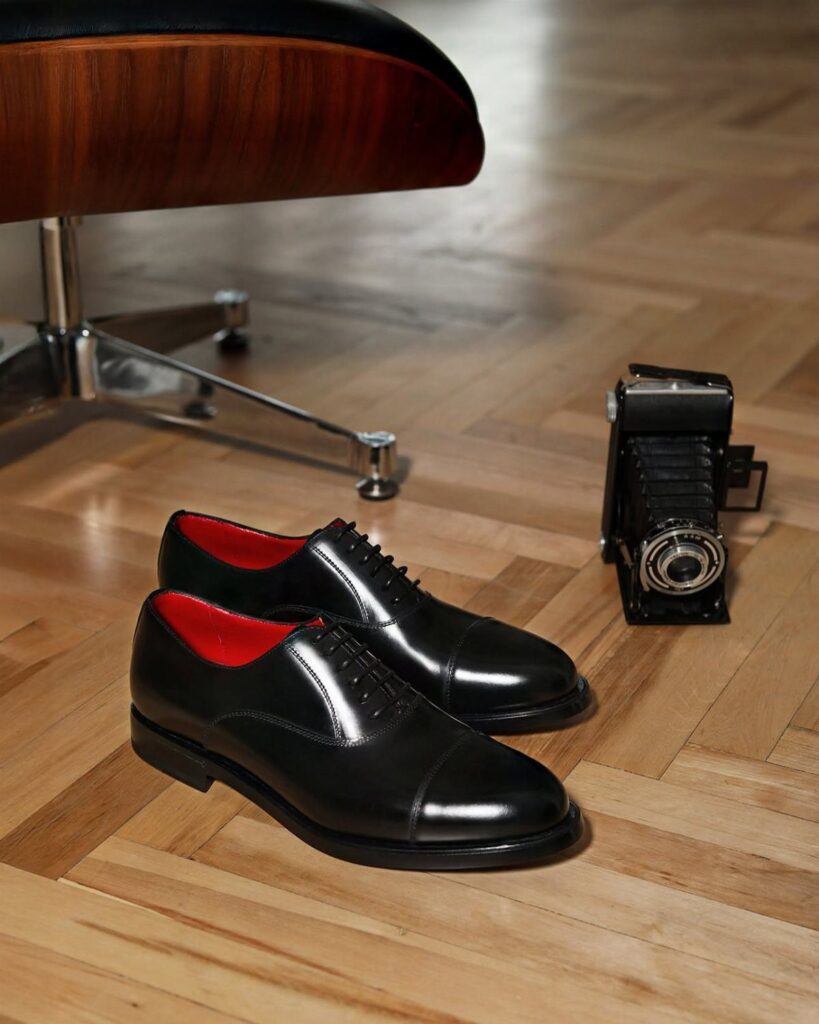
The shoes here run from the opera pump, a black patent leather dress slipper with a flat grosgrain bow that belongs only with black tie, down to loafers and boat shoes that stay on weekends.
Where you wear the shoe decides which one is yours: oxfords and monk straps suit the office and formal events, while derbies, brogues and boat shoes handle casual settings.
1. Loafers
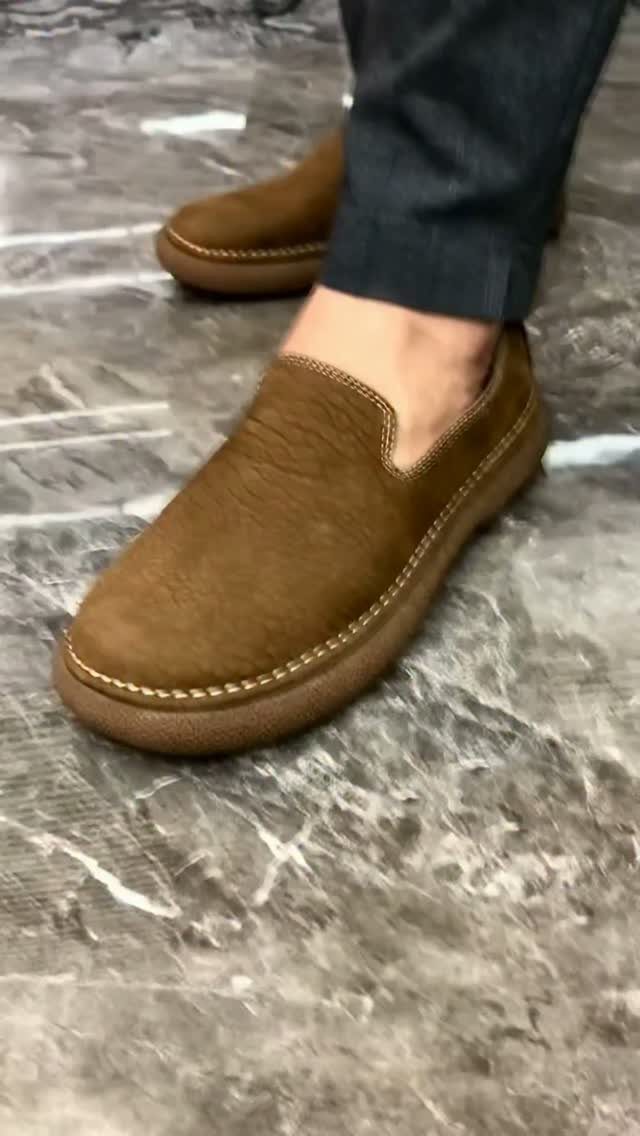
Slip-on construction is why loafers cover so much ground: the same shoe works with dark jeans on a weekend and with grey trousers at the office.
Brown leather is the version I’d buy first, since it pairs with denim, grey and navy without any thought.
Skip socks or wear no-show pairs in warm weather, and keep the trouser hem slightly short so the shoe stays visible.
2. Oxford Shoes
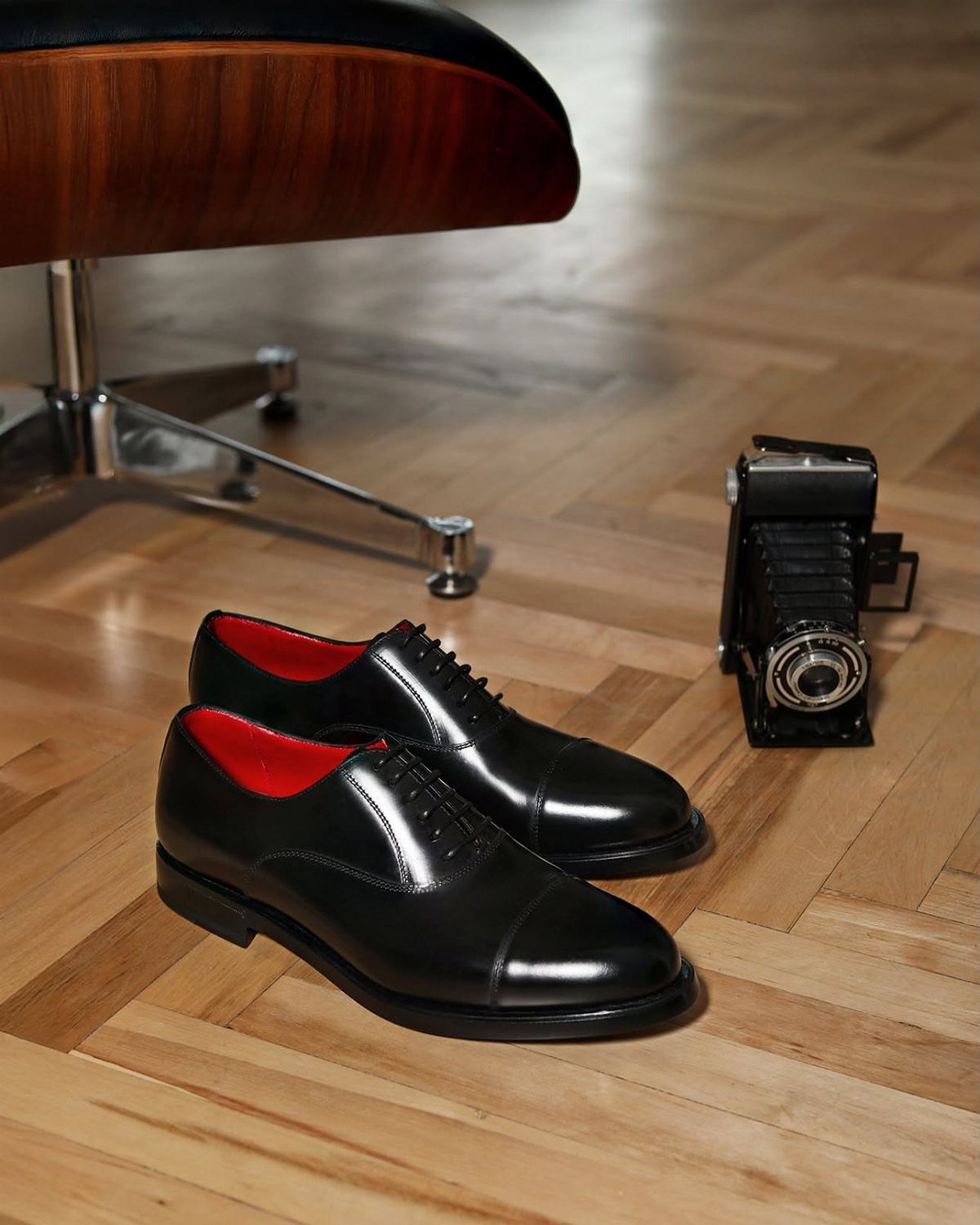
The closed lacing pulls the quarters tight against the vamp, giving you that smooth, unbroken front that puts the Oxford at the top of the formality ladder for any lace-up.
Black cap-toe Oxfords belong at interviews and weddings, and they pair best with business suits in charcoal or navy.
Pair it with trousers that have a slim, tapered leg.
A wide, heavy hem fights the shoe’s sleek profile. If your budget allows for just one dress shoe to wear under a suit, this is it.
3. Monk Straps
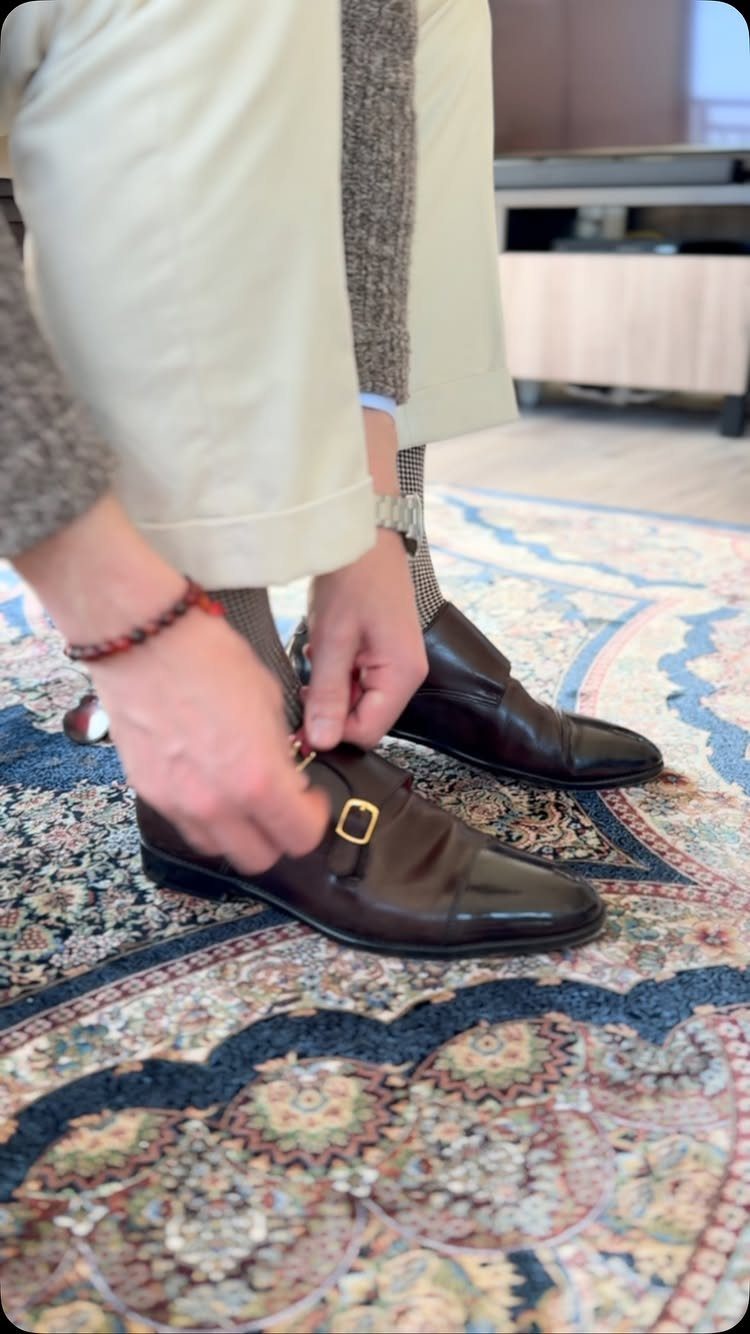
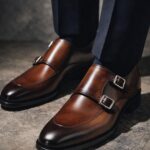
A buckle replaces the laces here, and that small change gives the monk strap a look that sits between an Oxford and a loafer. Dark brown leather with metal buckles dresses up chinos or a sport coat without looking stiff.
I like them best with a slightly cropped trouser and a bit of sock pattern. The buckle draws the eye, so the trousers and jacket around it should stay plain.
4. Dress Boots
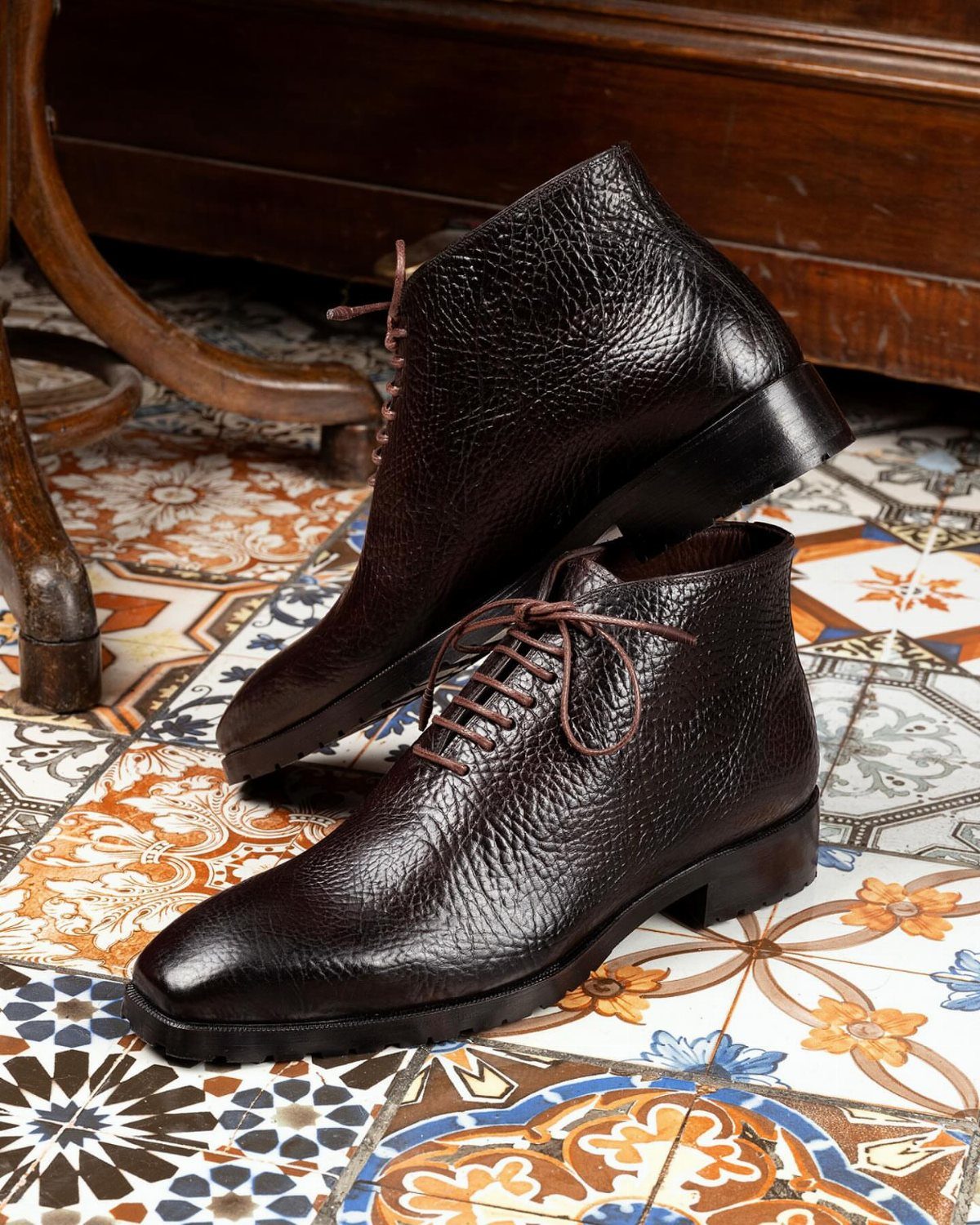
Dress boots take the lines of a dress shoe and extend them up past the ankle, with laces still doing the work.
Dark brown textured leather is a smart pick for fall and winter, when thin oxfords feel underdressed for the weather.
Wear them with wool trousers or dark denim, and let the trouser break sit cleanly on the boot shaft. They suit a suit less well than a sport coat, in my view.
5. Chelsea Boots
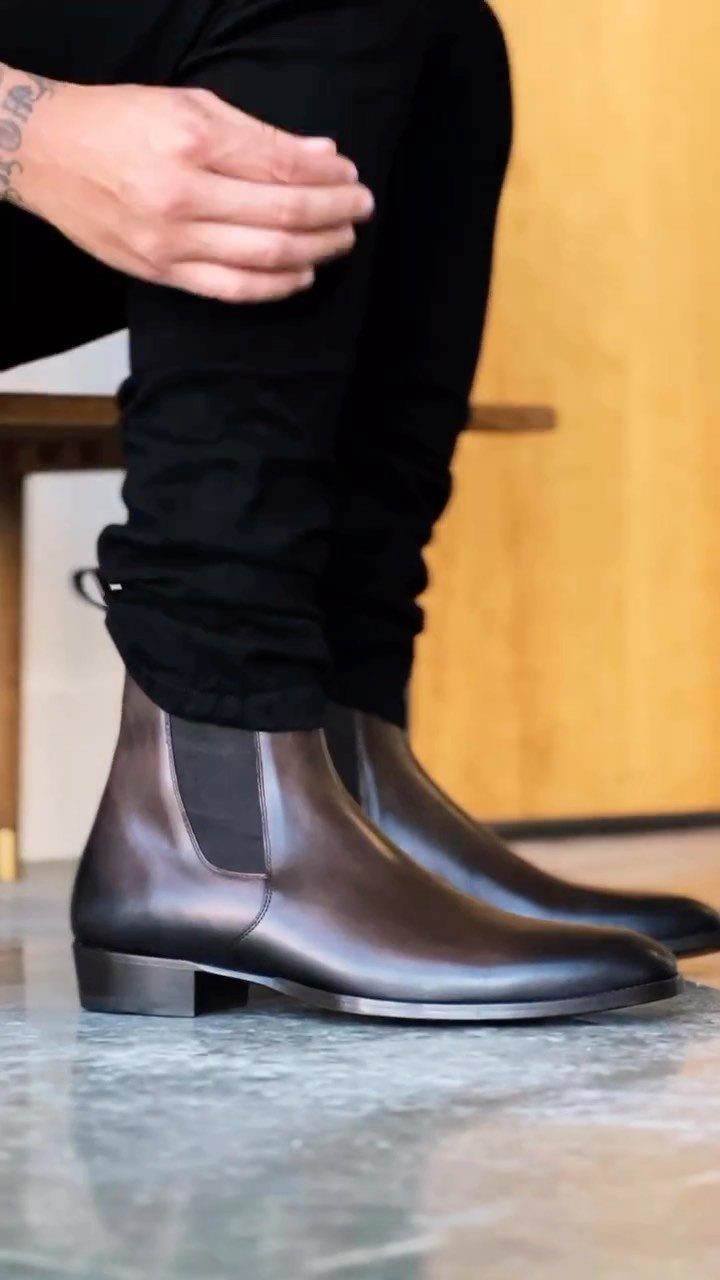
The elastic gussets on each side let you pull these on in seconds, and there are no laces or hardware to break up the line.
The sleek shaft slides easily under a slim hem, and black leather pairs well with dark trousers.
For a man who wants one boot that works for work, dates and weekends, this is my pick. Choose a fit snug enough that your heel doesn’t slip when you walk.
6. Derby Shoes
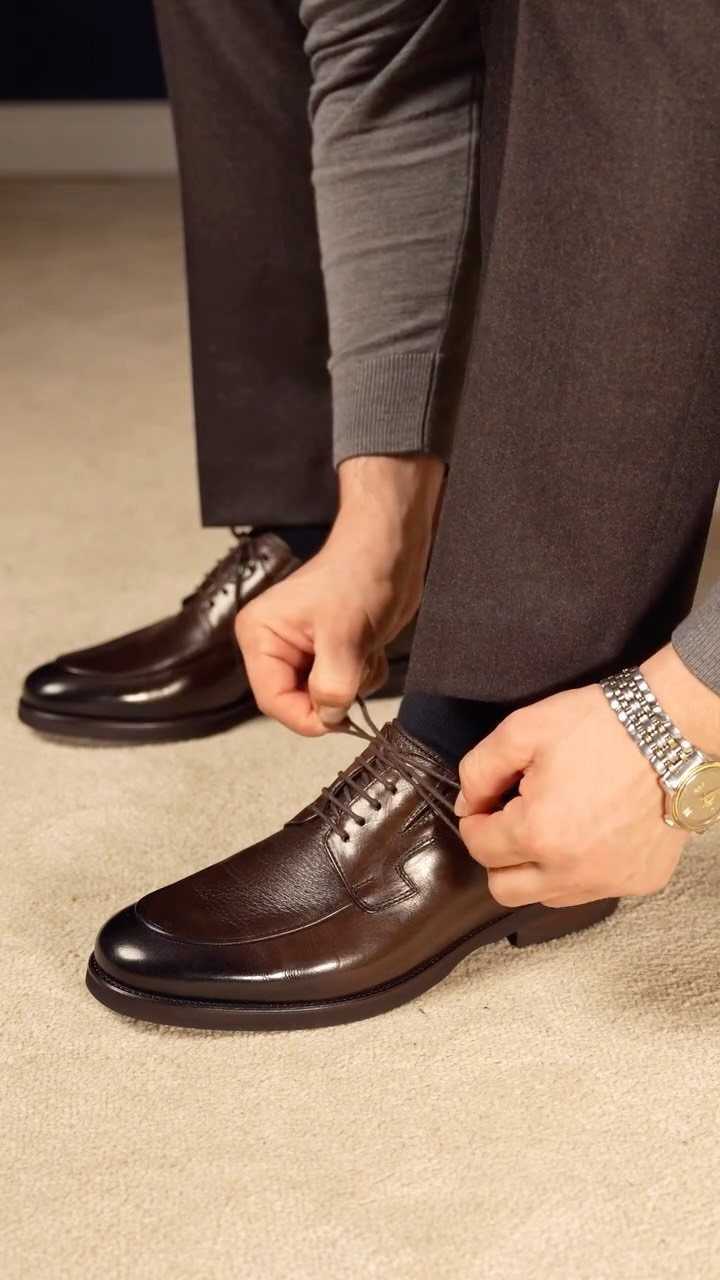
Open lacing is the detail that separates a derby from an oxford: the eyelet panels sit on top of the vamp, so the shoe flexes and fits wider feet more easily.
That also makes it a bit more casual, which is exactly why I reach for it with grey trousers and a sport coat.
One maker builds a pair from calf leather and deer leather, a combination worth looking for if you want a softer feel. Dark brown remains the easiest color to wear.
7. Brogue Shoes
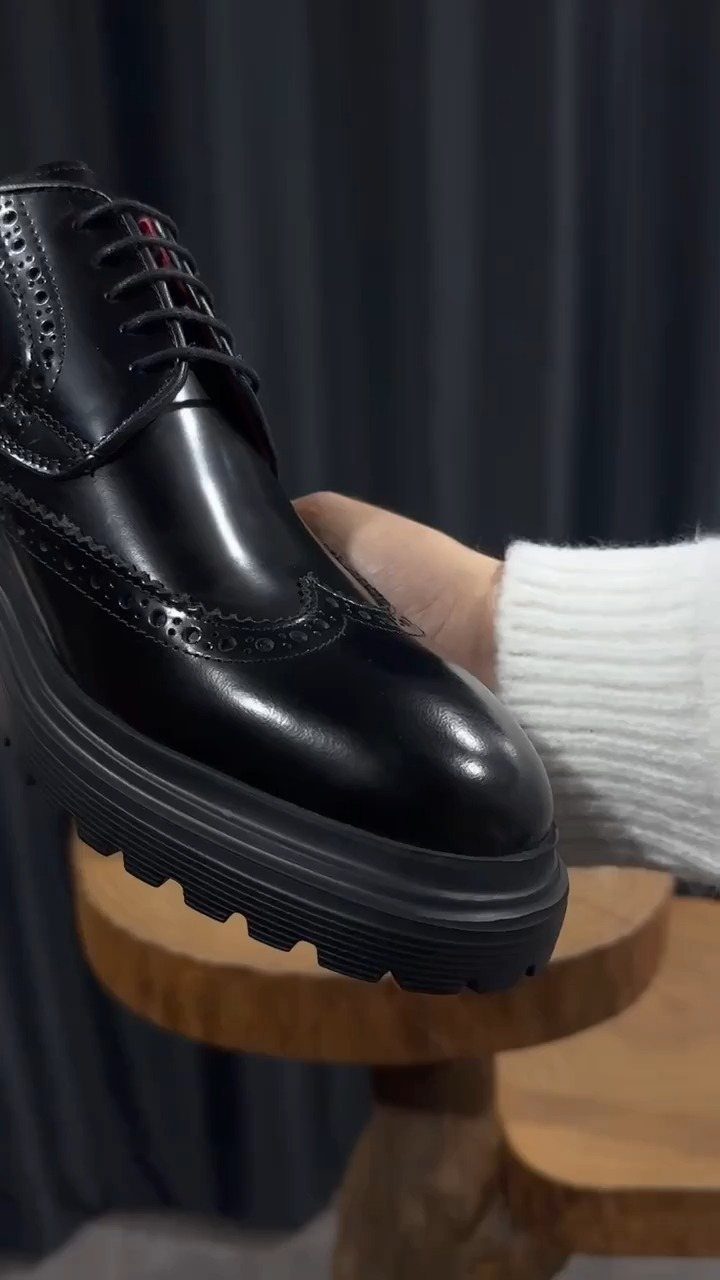
Perforations along the seams and toe are what make a brogue a brogue, and a thick lugged sole like this black pair’s pushes it firmly toward casual. That heavier build handles dark jeans and wool trousers better than a suit.
Black brogues with a chunky sole look best with plain, slim clothes, so let the shoe be the detail. If you want one pair to wear outside the office, I’d pick this over a sleek dress shoe.
8. Wingtip Shoes
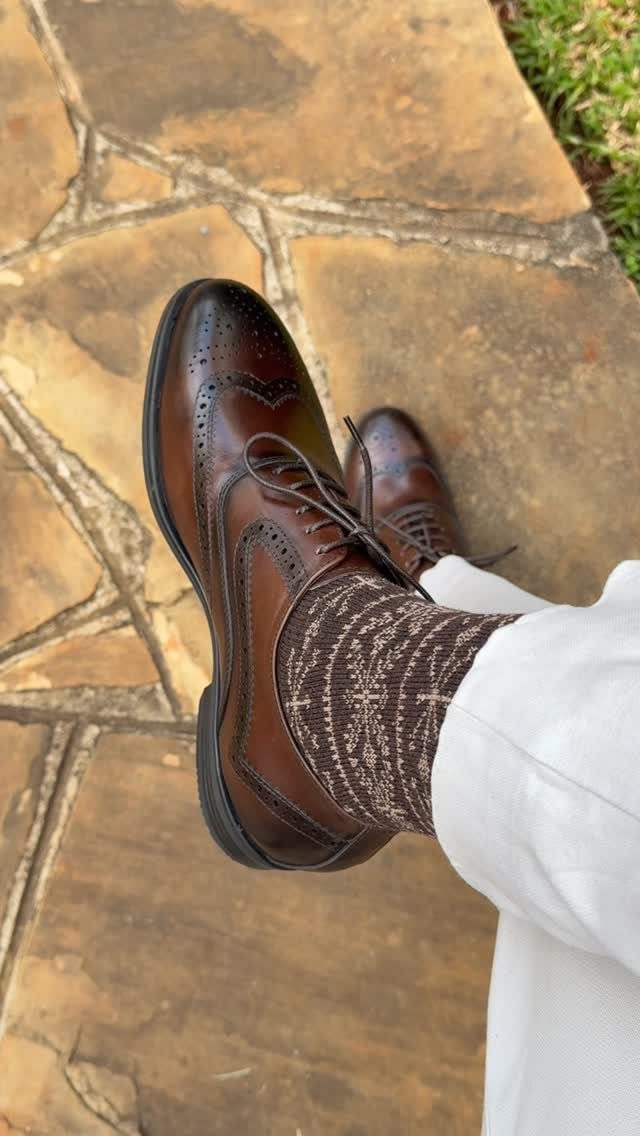
A wingtip’s toe cap sweeps back along both sides in a W shape, and brown leather is the version that works most often. It reads as a classic without feeling formal.
Patterned socks and light trousers work well with it, since the shoe has enough shape to hold up against them. Keep the rest of the outfit simple.
For a man building a small shoe rotation, a brown wingtip is a safe second pair after a dress shoe.
9. Opera Pump
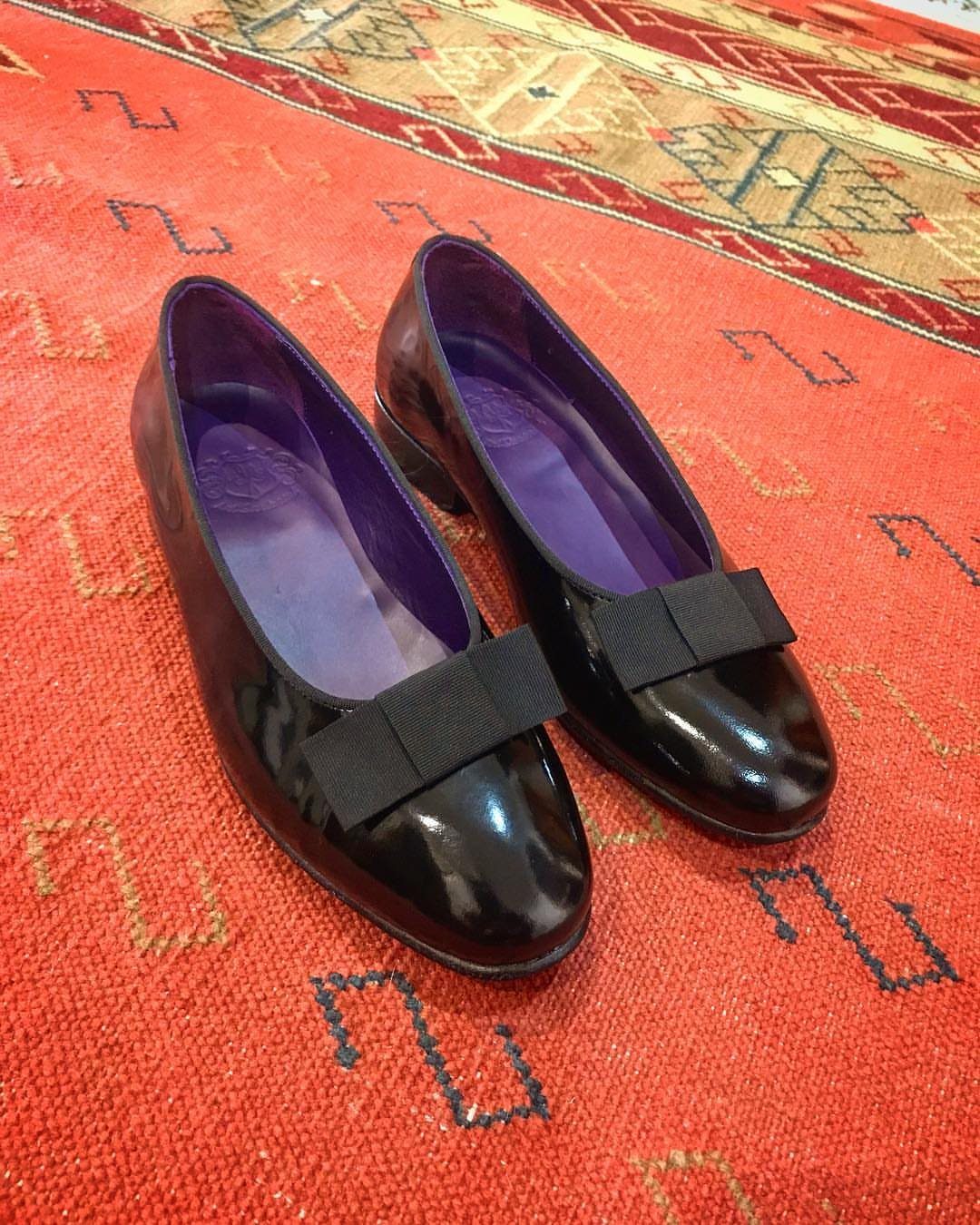
Black patent leather, a flat grosgrain bow and no laces: the opera pump sits at the very top of men’s formality. It is a dress slipper, and it belongs with black tie.
Wear it with a tuxedo and formal black socks, and keep the trouser hem long enough to stay clean over the bow.
It is a niche buy. If you attend only one or two formal events a year, a plain patent lace-up is the easier choice, but the pump is the sharper one.
10. Tuxedo Dress Shoes
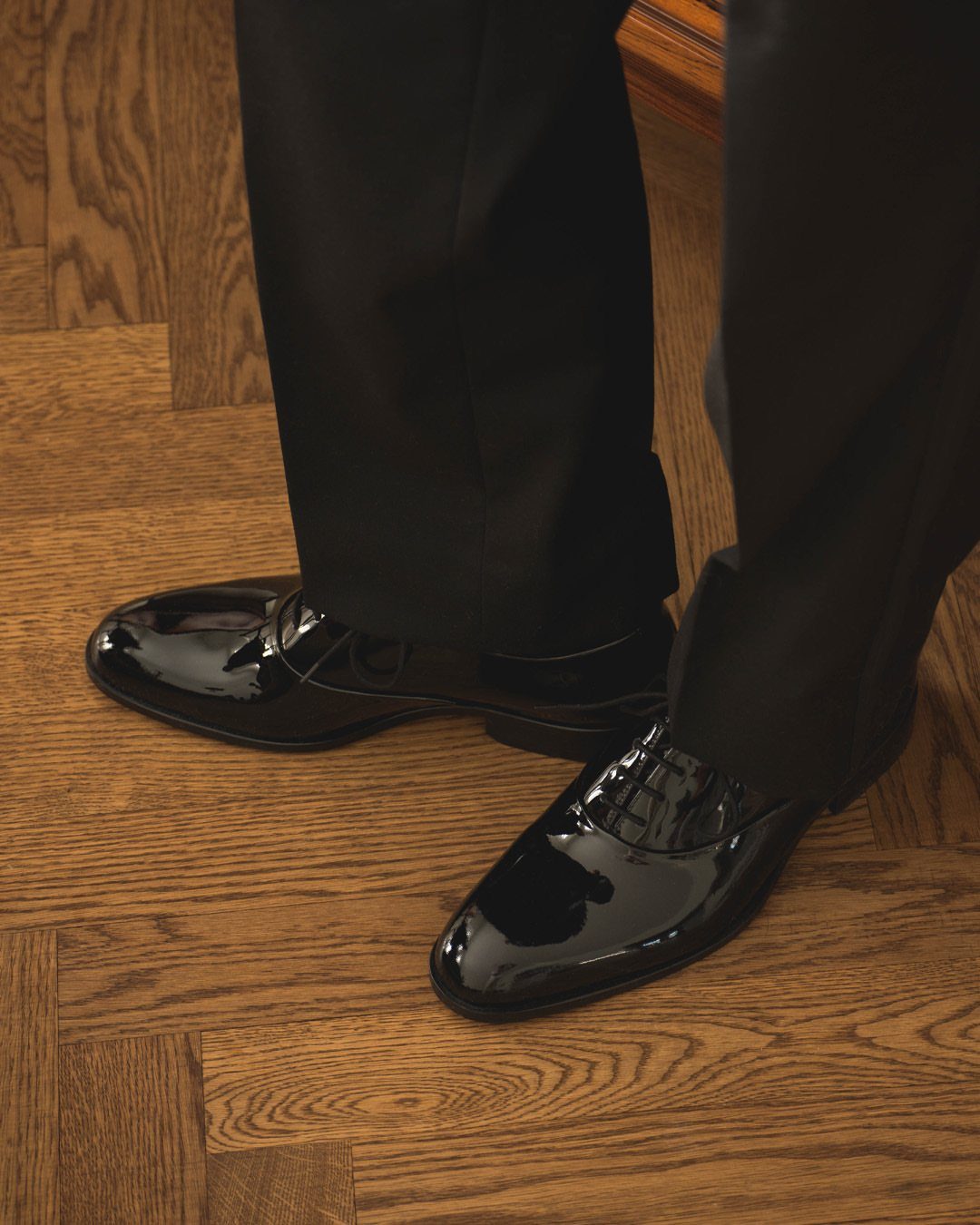
Patent leather gives tuxedo shoes their mirror shine, and that gloss belongs at a black-tie event. Black is the only color I’d buy.
Match them to black dress pants with a clean, narrow hem so the shoe stays in view. Keep socks black and thin.
They look wrong with a daytime suit, so treat them as a specialty pair. A simple, sleek shape ages better than anything with extra detail.
11. Sandal
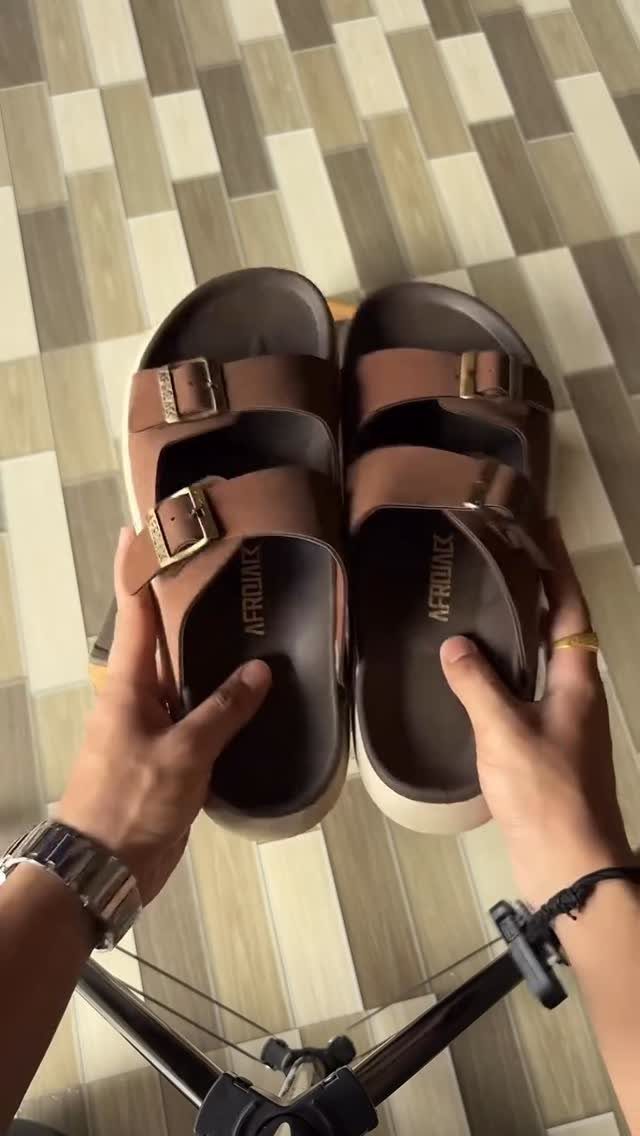
Open toes and straps across the foot make a sandal the coolest option for summer, and brown leather with gold buckles keeps it looking tidy rather than beachy. Double straps hold the foot more securely than a single band.
Pair them with shorts or relaxed linen trousers, and keep your toenails trimmed. Sandals suit hot weather and casual settings only, so skip them at the office or any dressy event.
12. Boat Shoes
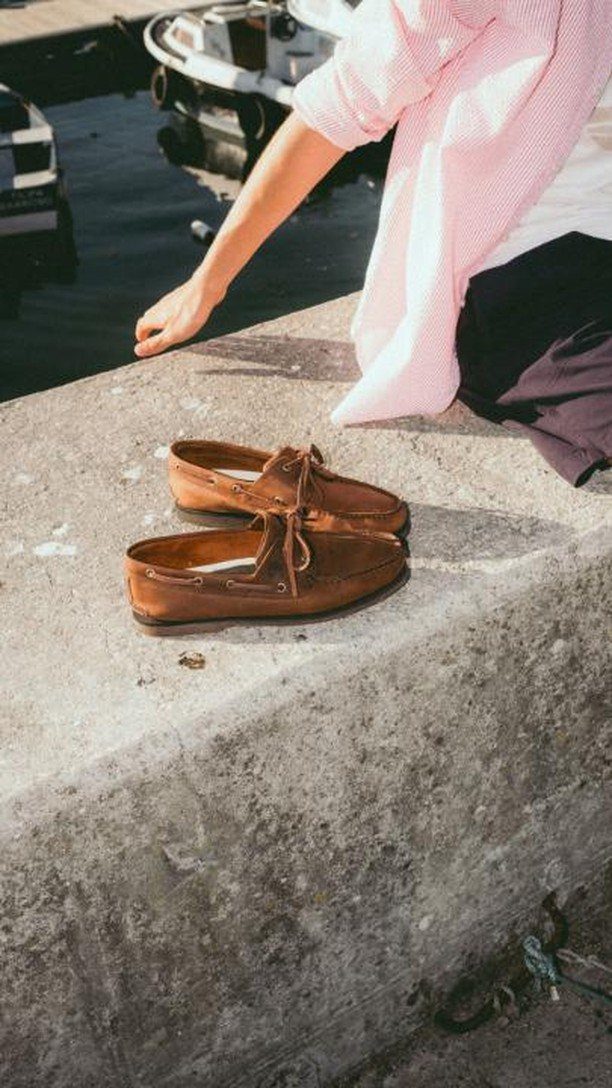
A moccasin-style construction, built for wet decks, gives boat shoes a low, flat profile that suits warm weather. Brown leather is my pick because it goes with nearly everything.
Wear them with dark pants or shorts and a striped shirt, and skip socks or use no-shows.
They are casual shoes, so keep them for weekends, travel and time near the water rather than for the office.
Choosing the Right Shoe
Formality runs on simplicity: the fewer details a shoe has, the dressier it reads.
Smooth polished leather, a low profile and a neat outline sit at the formal end, while thick soles, extra stitching and open construction push a shoe toward casual.
Match the shoe to the outfit before anything else. A sharp suit on a casual shoe looks undone, and a rugged boot under dress trousers looks like a mistake.
If you are unsure, go one step simpler than you think you need. A clean, plain shoe rarely looks out of place, while a busy one can.
Ankle-high styles with elastic panels or laces sit in the middle, so they bridge work and weekend better than most.
Shoe Care Tips
Rotate your pairs. Wearing the same shoes daily never gives the leather time to dry out, and that shortens their life faster than almost anything else.
Put cedar shoe trees in after each wear. They hold the shape and draw out moisture.
Clean off dirt after wear when it needs it, and polish leather monthly. Get a water repellent on suede before you put them on, because you can’t fix what already soaked in.
Replace soles once they wear down, before the damage reaches the upper. A resole costs far less than a new pair, and well-kept shoes can last for years.
Building a Versatile Collection
Buying fewer, better shoes beats owning a closet of cheap pairs. A shoe that works across several settings gets worn more, so its price per wear drops quickly.
Before you buy, ask whether the pair can handle at least two of your usual situations, such as the office and a dinner out. If it only suits one, wait.
Good construction also pays off through repair. A well-made pair can be resoled and polished back into shape, which a poorly made one rarely survives.
Build slowly, one solid pair at a time, and care for each so it lasts for years.
Frequently Asked Questions
What are some common types of shoes for men?
Oxfords, derbies, loafers, monk straps, brogues, boots and boat shoes cover most of what men wear, and sneakers sit alongside them.
Dress shoes like the Oxford go with suits, while loafers and derbies bridge work and weekends. The right pair depends on the occasion, and 3 or 4 cover most of what a man runs into.
What are the different types of shoes and their names?
Shoes sort into dress, smart-casual and casual groups.
For formal events, look at Oxfords with closed lacing, opera pumps, and patent leather shoes made for black tie. Smart-casual covers loafers, derbies, monk straps, wingtips and dress boots.
Casual covers brogues with chunky soles, boat shoes and sandals. Chelsea boots sit in the middle, since the elastic panels and lack of laces bridge work and weekend.