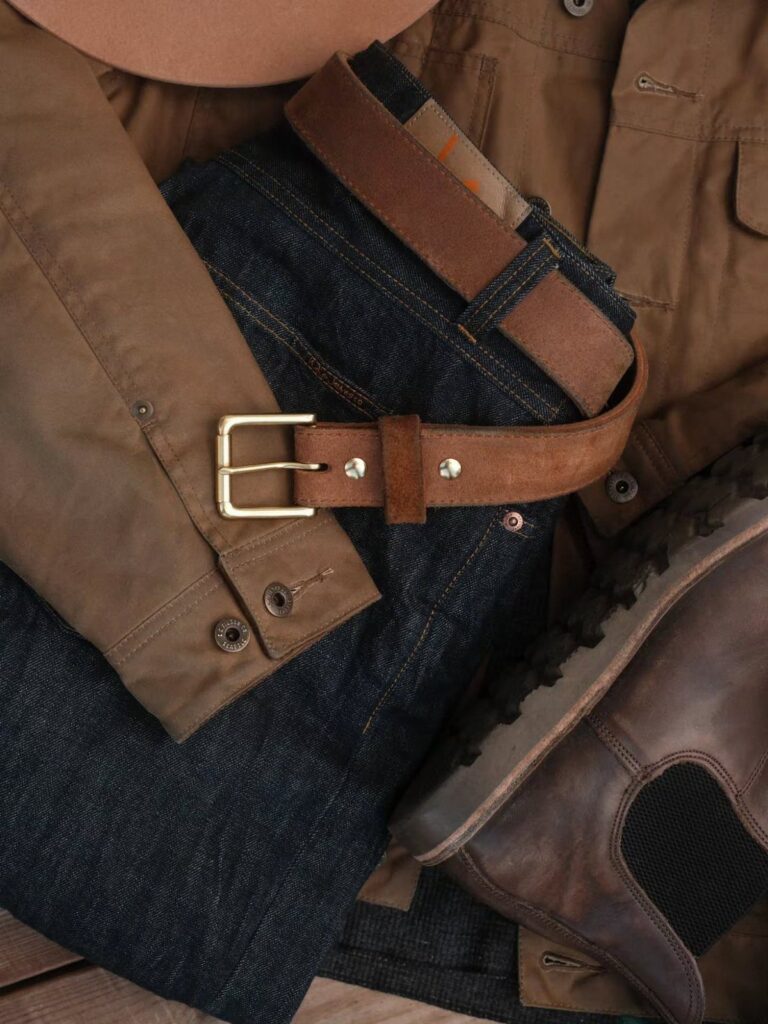
Rugged gentleman style runs from a single pair of leather boots to a full outfit of waxed jacket, flannel and dark denim, and the range is mostly about texture, not money.
1. Leather Boots
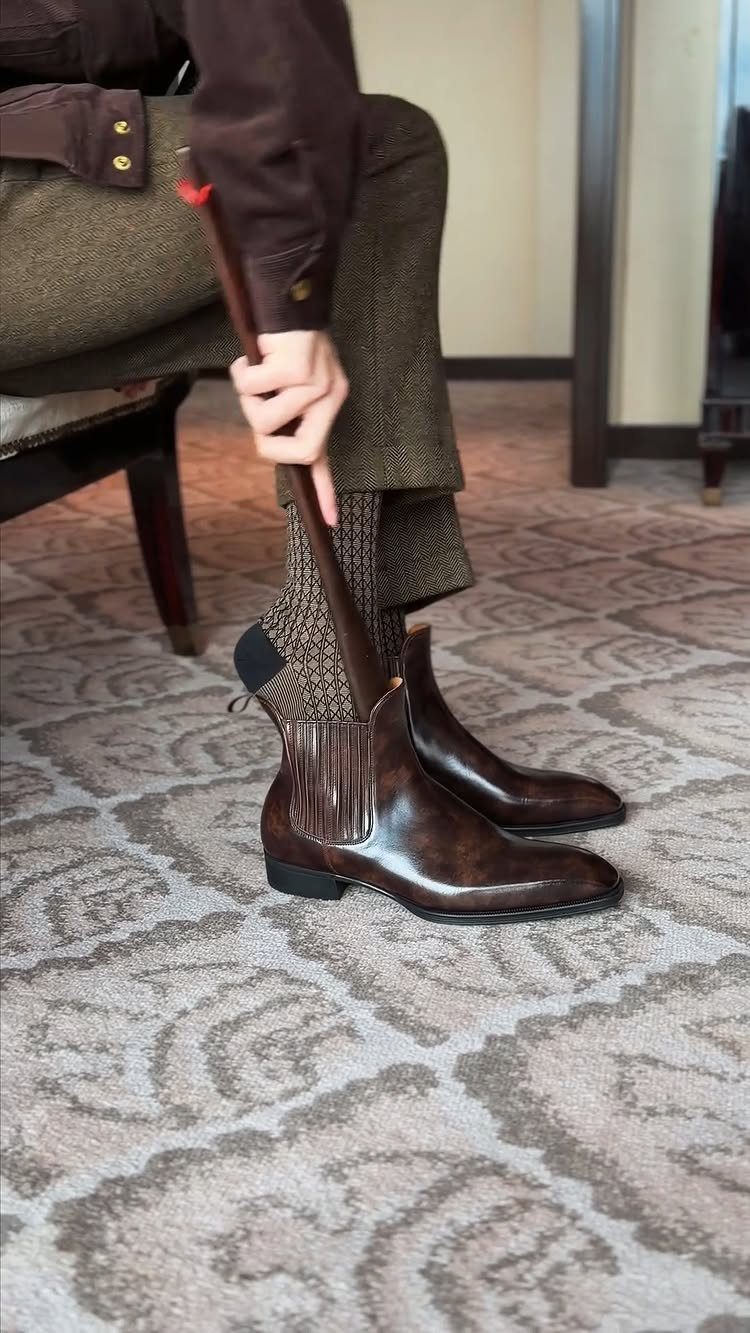
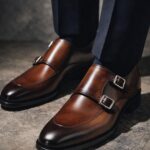
Dark brown Chelsea boots are the easiest way into rugged style, because the pull-on shape needs no lacing. A shoehorn saves the heel counter from getting crushed, so keep one by the door.
I like them with textured trousers, like tweed or corduroy. The roughness of the cloth against smooth leather is what makes the outfit read as rugged but still put together.
Choose dark brown over black for this look. It sits better with earthy colors.
2. Waxed Jacket
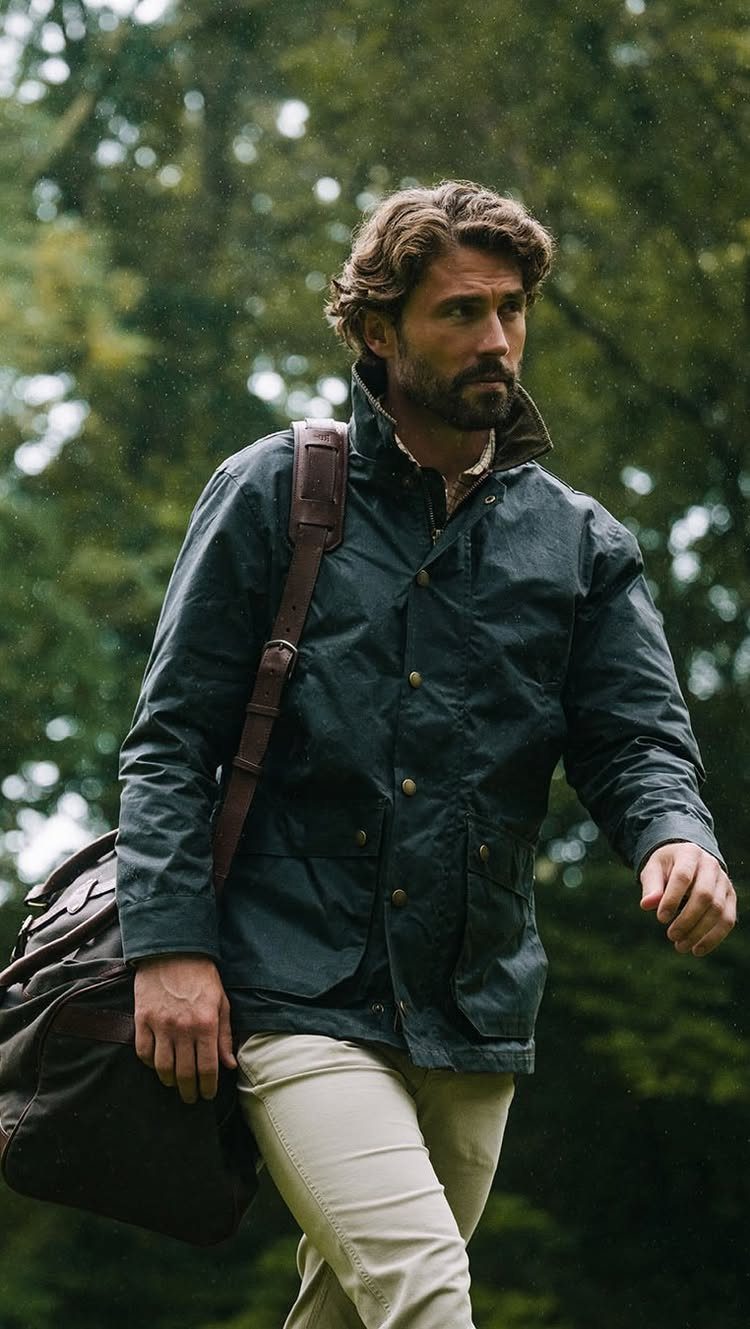
A waxed jacket in dark green or black does 2 jobs: it sheds light weather and looks better the more it gets worn. Khaki or beige trousers sit under it well, and the muted palette keeps the whole outfit calm.
For a 30-something wearing it on a normal day, I would pick a plain cut with no extra patches or loud lining. Add a brown leather bag and you have a complete look from two or three pieces.
Expect some stiffness at first. It softens with wear.
3. Leather Belts
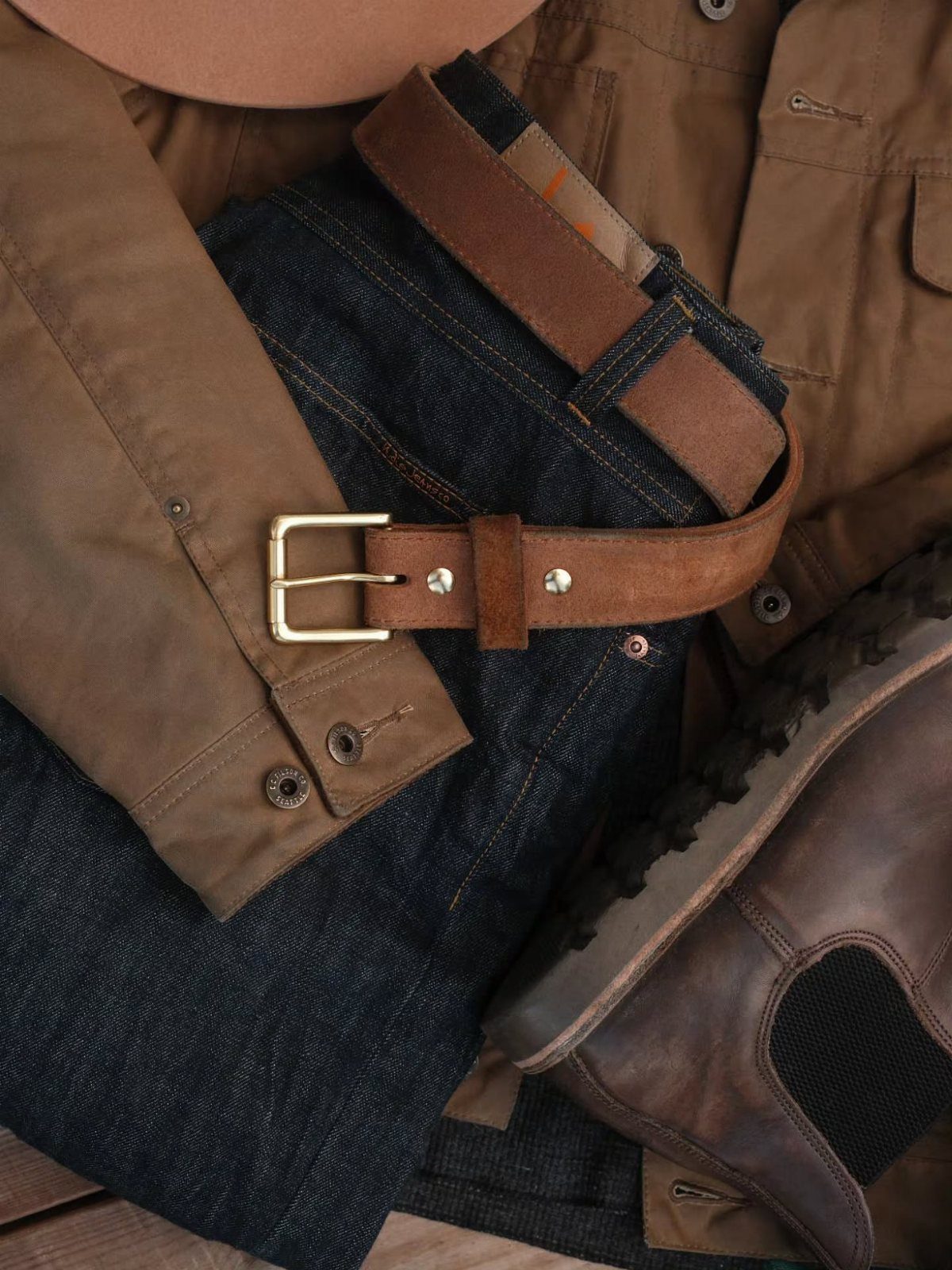
A brown leather belt does more for a jeans outfit than most shirts do. Match it to your boots, and the whole look reads as planned without any extra effort.
I lean toward a plain strap with a simple buckle.
Skip anything with big logos or heavy stitching; it fights the rest of the outfit.
4. Henley Shirts
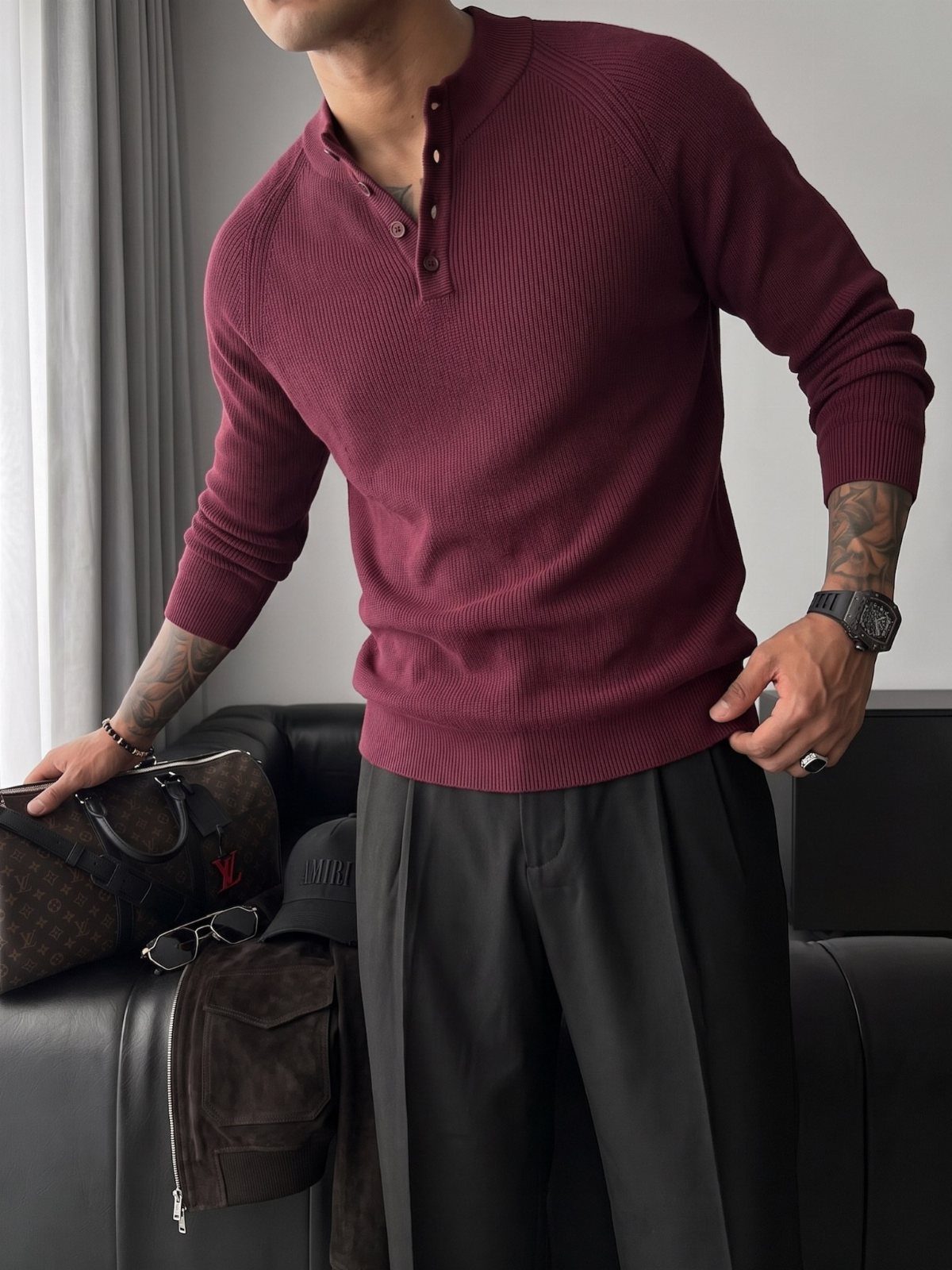
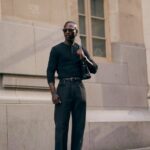
Henleys with a ribbed knit give a plain shirt more texture, and the placket replaces a collar without looking sloppy. A maroon one over black trousers is a strong, simple pairing: one color with weight, one that stays quiet.
Fit matters here. Keep the shoulder seam on the shoulder bone and let the body skim your torso rather than cling.
A black jacket over the top makes it work for dinner. Wear it alone on weekends.
5. Rugged Style Layering
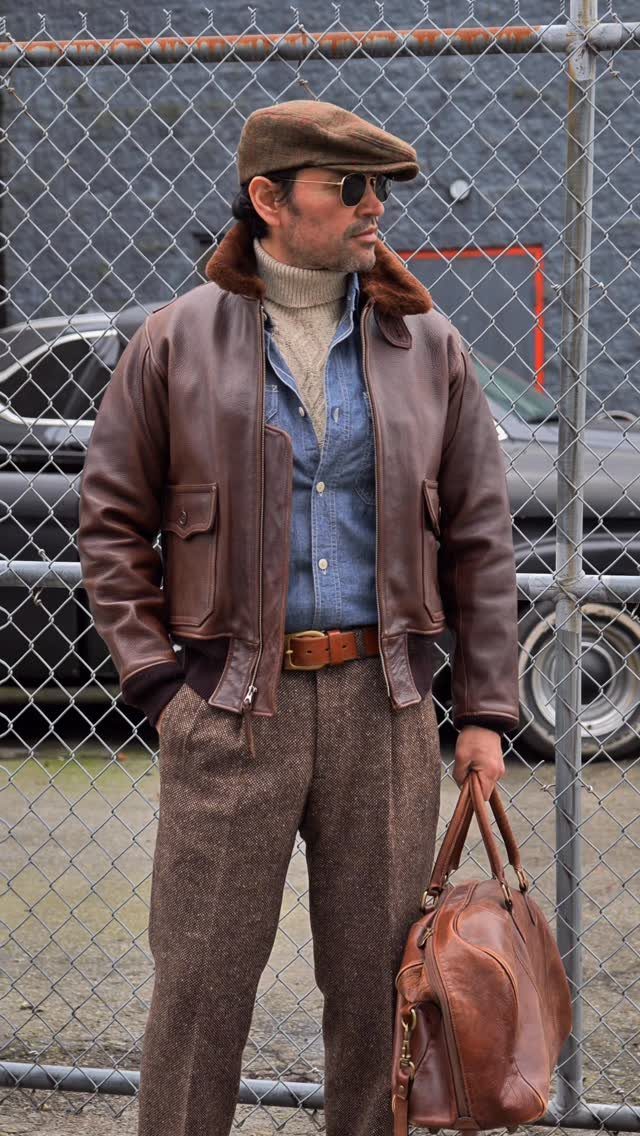
Layering works best when each piece is a different texture, not just a different color. A denim shirt over a turtleneck, under a brown leather jacket, gives 3 surfaces that stay in the same earthy range.
For men with a broader build, I would keep the base layer thin so the stack does not add bulk at the chest.
Start with the thinnest layer and build outward. Take the jacket off first when you warm up.
6. Grooming for Rugged Style

Facial hair does a lot of the rugged work before any clothing does. A beard trimmed with a clean neckline and tidy cheek line looks deliberate, which is the difference between rugged and unkempt.
A beard like the one here suits a simple t-shirt well, since the face carries the look. Keep the hair on top shorter or neatly combed so the two do not compete.
Trim every week or two.
7. Core Pieces in the Outdoor Workwear Wardrobe
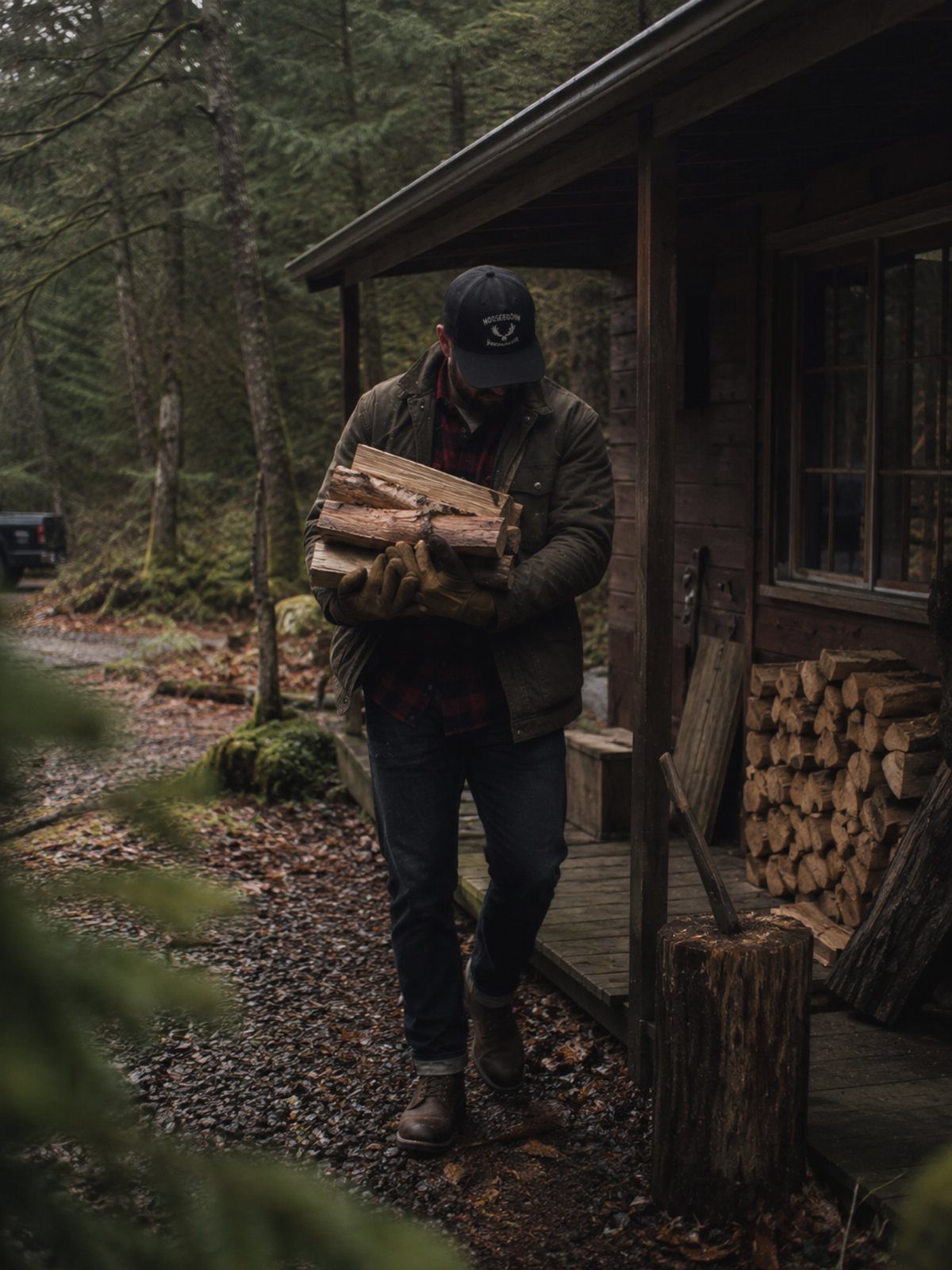
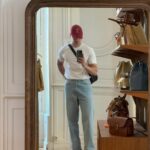
Rugged style isn’t one fixed look, and a workwear wardrobe proves it: a waxed jacket, a flannel shirt, jeans and a plain cap already cover most days. Each piece works alone or in any combination with the others.
I would build from those pieces before buying anything else.
Keep the colors earthy so every piece mixes with every other, and skip loud graphics. A cap with a small name on it is fine; a big logo across the front is not.
8. Dark Denim Jeans
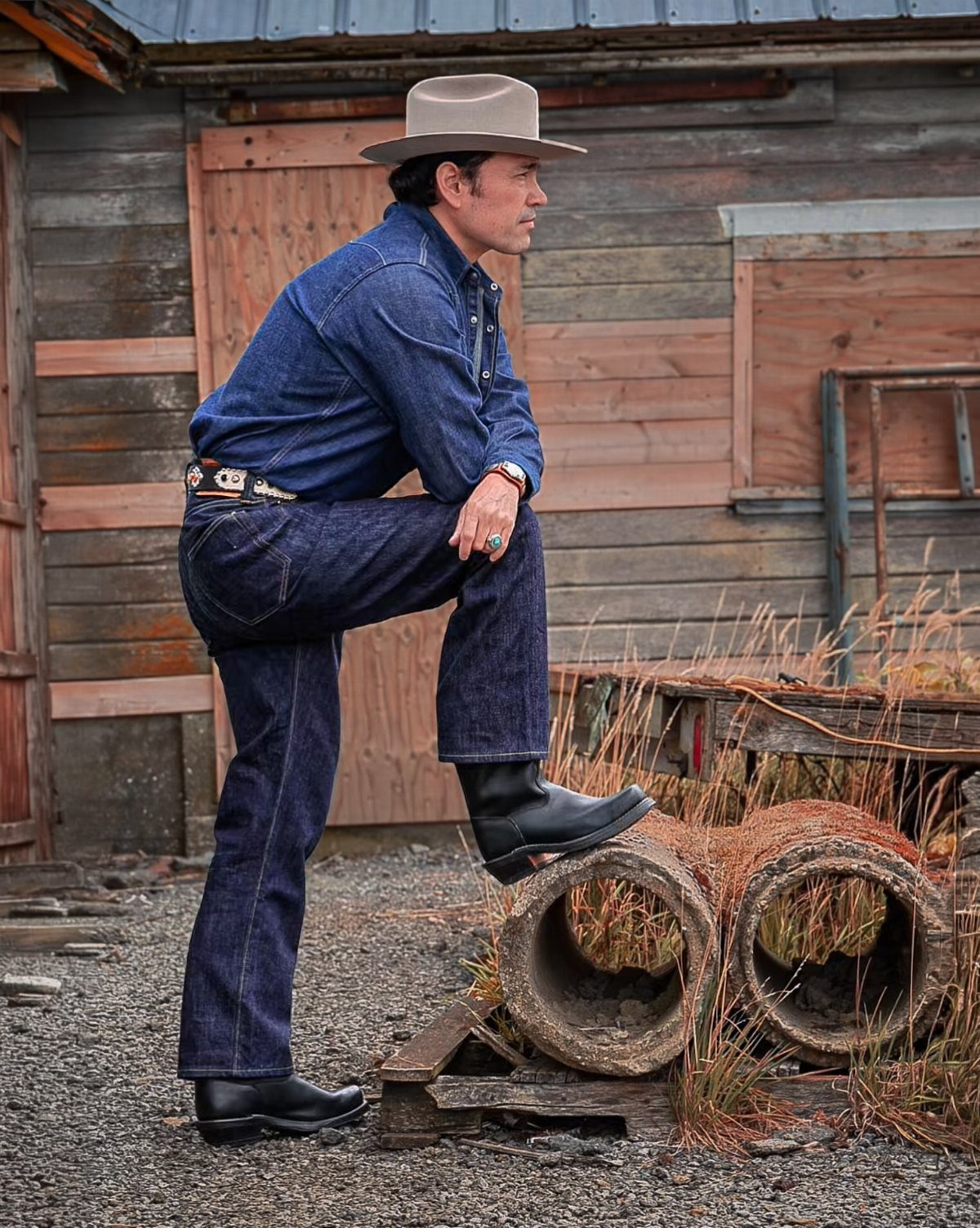
Dark denim is the piece that holds a rugged outfit together, and it is the one I would spend on first. Deep indigo reads sharper than faded blue and hides wear well.
Wearing denim on denim works when the 2 shades are close, as a dark shirt with dark jeans is. Add a brown hat and boots and the whole look stays in one tone family.
Pick a straight leg that skims the thigh rather than clings. Pair it with the brown belt from earlier.
9. Classic Flannel Shirt
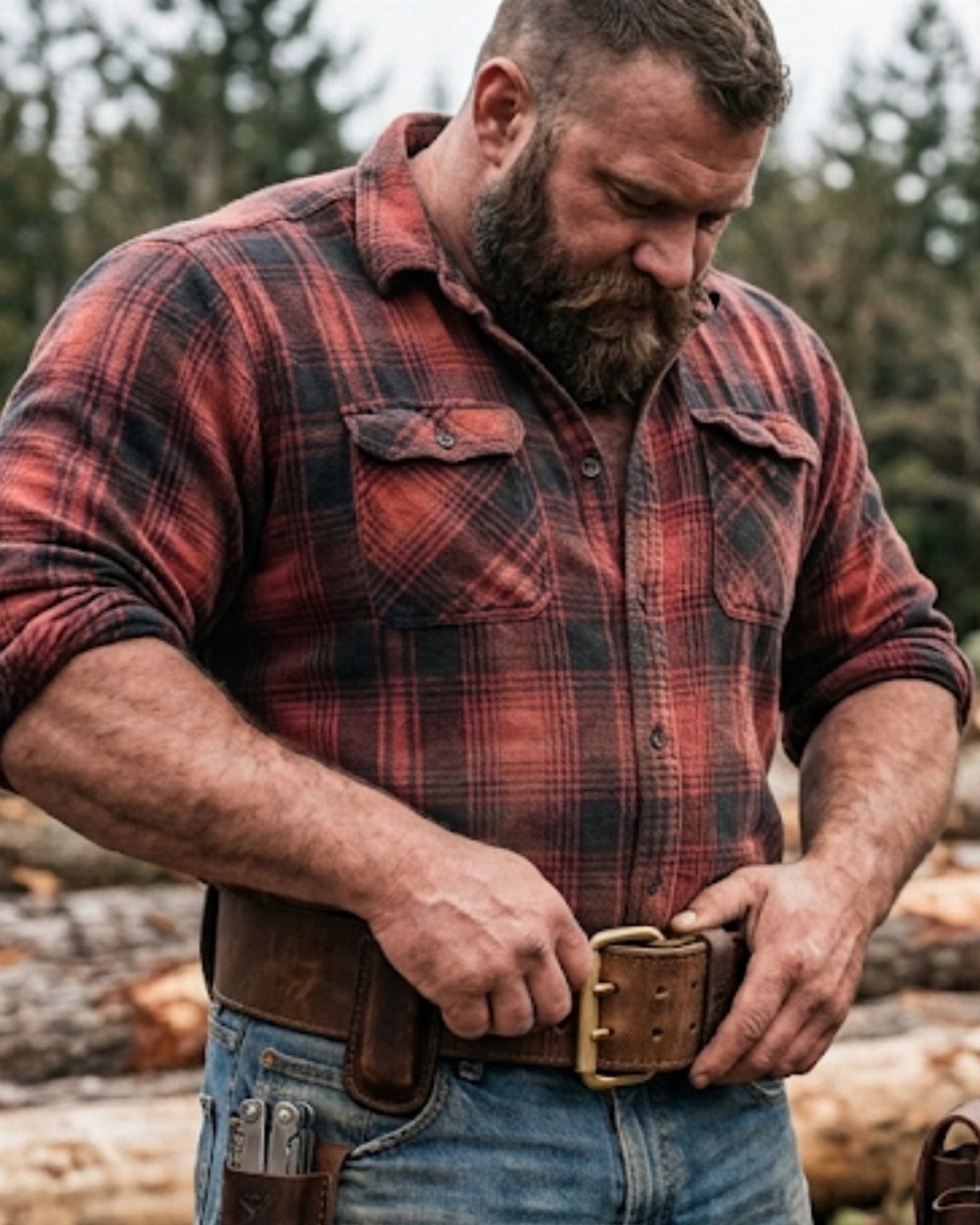
A red and black plaid flannel is the shirt most men picture when they think rugged, and it earns that. Worn with blue jeans and a wide brown leather belt, it needs nothing else.
Leave it untucked and open over a plain tee for layering, or buttoned up on its own. I would choose a medium weight so it works indoors and out.
Keep the belt and boots in the same brown. With a pattern this bold, everything else should stay quiet.
Rugged Vs. Refined Style
Rugged and refined sit at opposite ends of one scale.
Refined clothing is smooth, solid and precise: crisp pieces with no fading or distressing, little texture, solid colors and minimal pattern. It is the tailored look.
Rugged runs the other way.
It rests on utility, texture and durability, and it should look lived in because the clothes can take real use. It is not a costume of workwear.
Pick a lane for each outfit and keep the pieces on one side of it. A crisp dress shirt with heavily worn gear pulls in two directions, while a Henley with sturdy boots pulls in one.
You can cross over on purpose, one rough piece in a smooth outfit or the reverse.
Neither lane is the correct one. The right one is the one that matches how you want to look.
Choosing the Right Fit
Build a rugged outfit in a set order: silhouette first, material second, color third, accessories last. Settle the shape before you worry about the details.
Fit comes before price here. A well-fitted canvas jacket beats an expensive one that hangs wrong, so spend the tailoring money before the upgrade money.
Straight-cut trousers or well-fitted denim give the base shape. Relaxed should still read as chosen: sleeves that stop at the wrist, a hem that clears the boot, and a jacket that closes without pulling.
Building a Versatile Wardrobe
Buy one piece at a time. A single new item each week spreads the cost and lets you build a wardrobe without one big shopping trip.
Choose pieces that mix with what you already own. Before you buy, check that a new item works with at least 2 things in your closet.
Layer for your climate. A sweater and a vest suit winter but are too much in a warm place, where lighter layers do the job.
Use menswear blogs and rugged-clothing sites for ideas, and many link straight to stores. Take a few ideas and ignore the rest.
Frequently Asked Questions
What is a rugged gentleman?
A rugged gentleman dresses in clothes built for real use, like boots, denim, waxed cotton and flannel, but keeps them clean-fitting and put together.
Confidence and practicality drive the choices. A trimmed beard, a belt matched to the boots and a jacket that closes without pulling separate him from someone who just looks unkempt.
What does rugged style mean?
Rugged style means clothes that look like they can take real use: heavier, more durable fabrics with texture and some visible wear.
Think denim, waxed cotton, leather, flannel and canvas. It rests on utility and durability, and it is not a workwear costume.
How do you dress rugged?
Start with fit, then material, then color, then accessories. Straight-cut dark denim, a flannel or Henley, dark brown leather boots and a matching brown belt cover most days.
Stick to browns, olives and grays so any piece works with the rest, and leave logos and loud prints on the shelf.