The list runs from espadrilles, which only make sense in summer, to classic leather boots that work with jeans year-round, and the dress code you face most days decides which pairs come first.
A strict office points to derbies, brogues or a monk strap, while a casual week can lean on suede slip-ons, moccasins, low-top suede sneakers and trail runners.
The post also gives one number worth remembering: 3 or 4 pairs in regular rotation is enough for most men, since each pair needs a full day off between wears.
1. Loafers
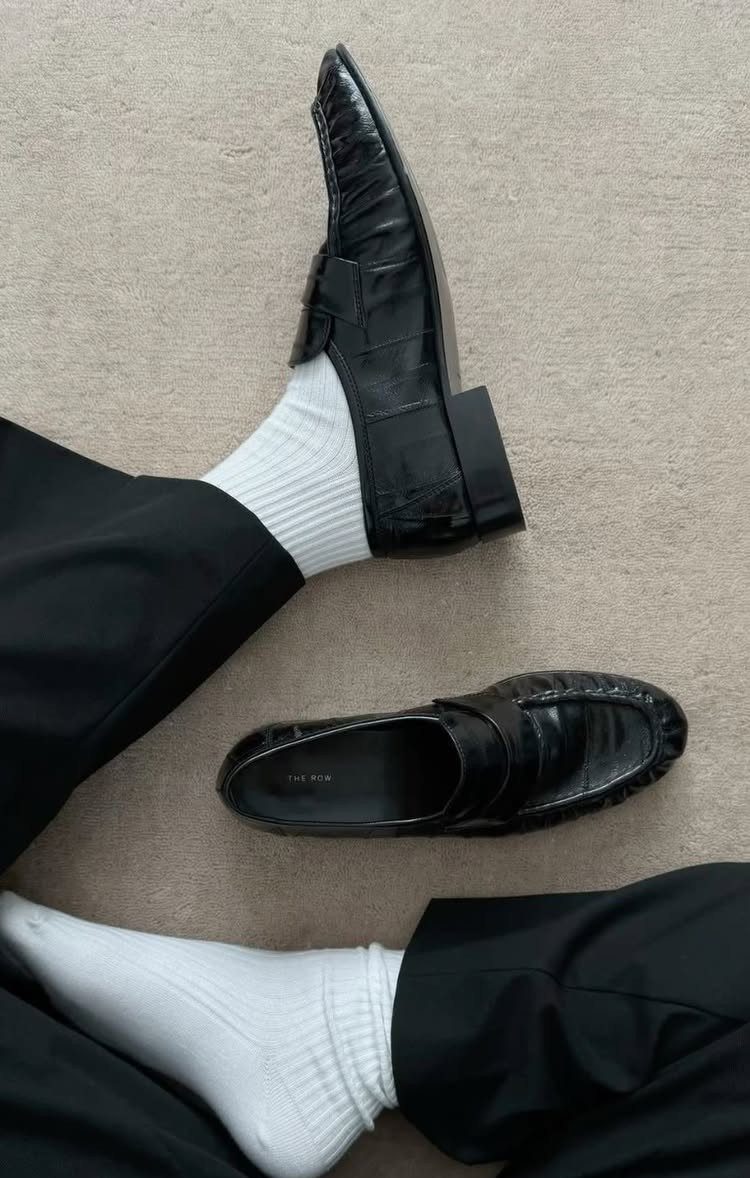
Black leather loafers sit right between a sneaker and a dress shoe, and that is why they earn a spot in a short shoe lineup. Slip them on with black trousers and the outfit looks finished with almost no effort.
Short or no-show socks look cleaner for work, while white socks give a more relaxed, deliberate look. I would pick black first: it works with the widest range of trousers.
2. Derby Shoes
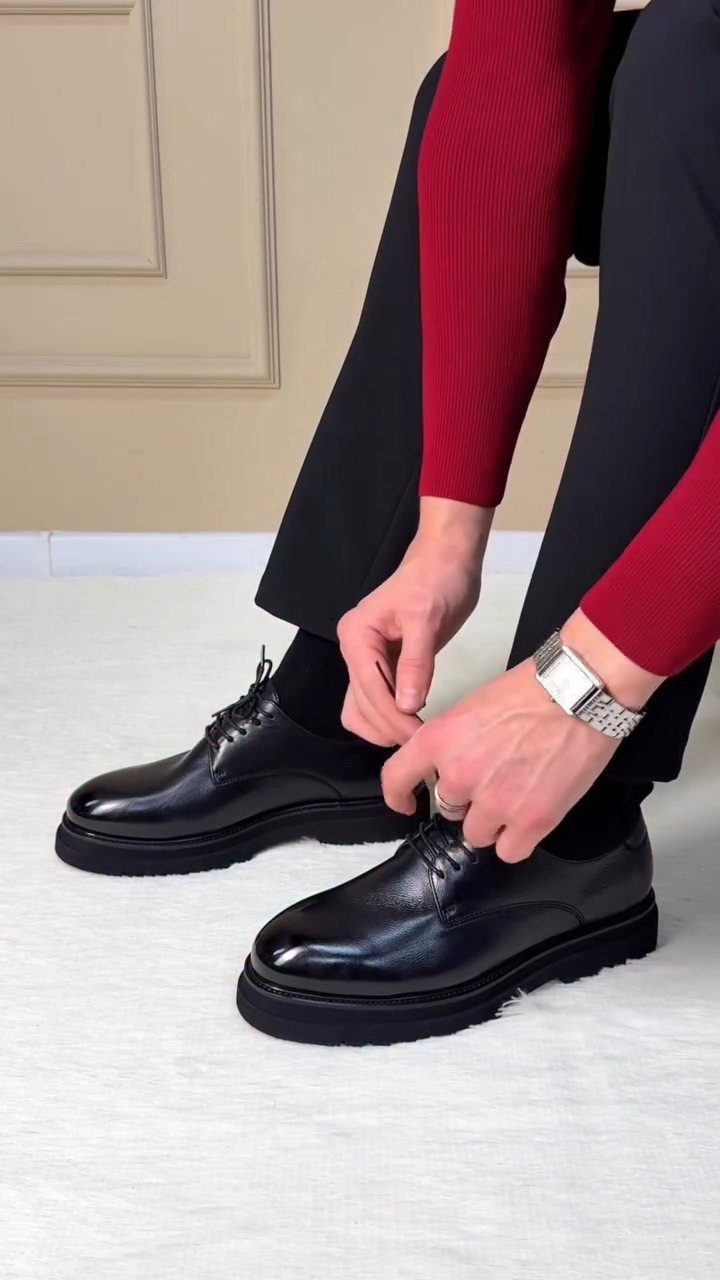
Derbies have open lacing, meaning the eyelet flaps sit on top of the vamp instead of being stitched under it. That is what makes them feel roomier and a little more casual than a closed-lace shoe.
A pair in black leather with a thick sole, like this one, handles trousers and a plain sweater without any fuss.
If you only buy one lace-up, I would pick this style. Keep the laces snug but not tight, and the shoe sits well on the foot.
3. Brogues
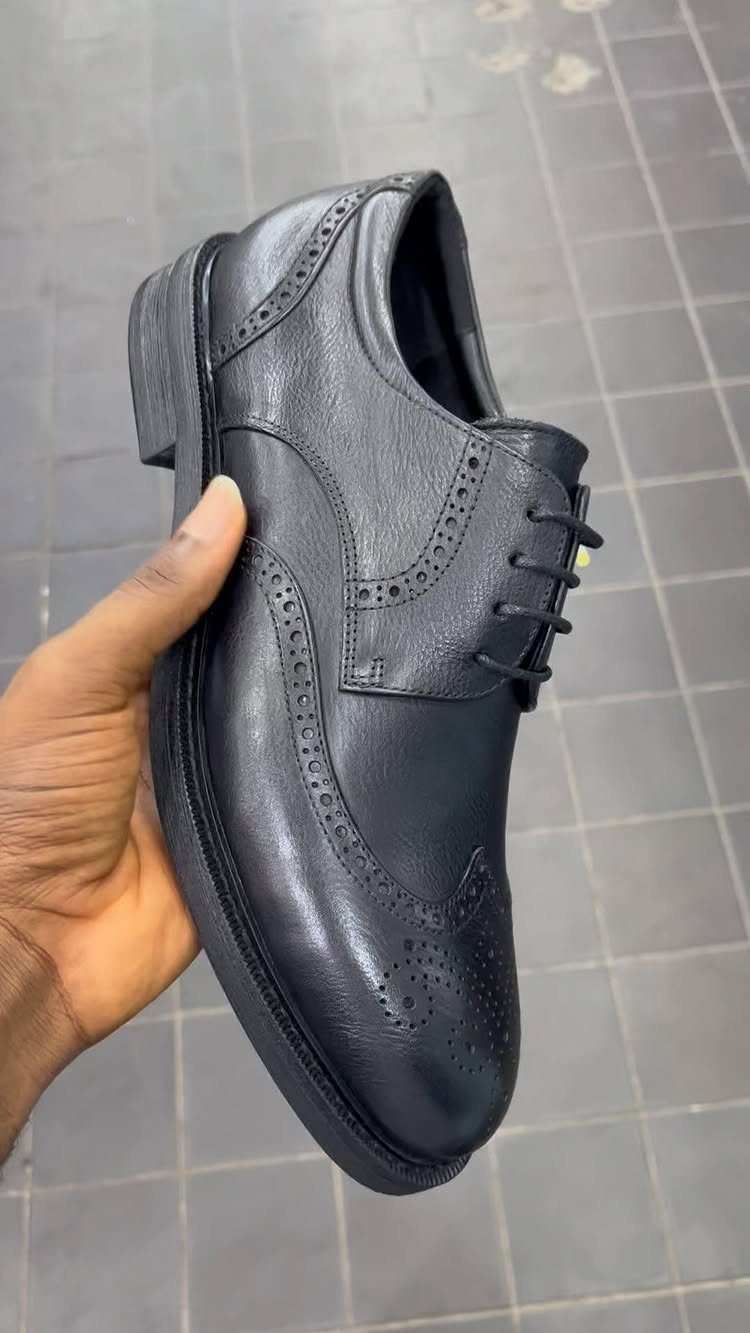
Perforations are the whole story with brogues: those small punched patterns add texture to an otherwise plain leather shoe. Black keeps them restrained, so the detail reads as interest rather than noise.
Because the decoration does the work, you can wear them with trousers in grey, navy or tan and skip any extra accessories. Brogues work best when everything around them stays simple.
4. Espadrilles
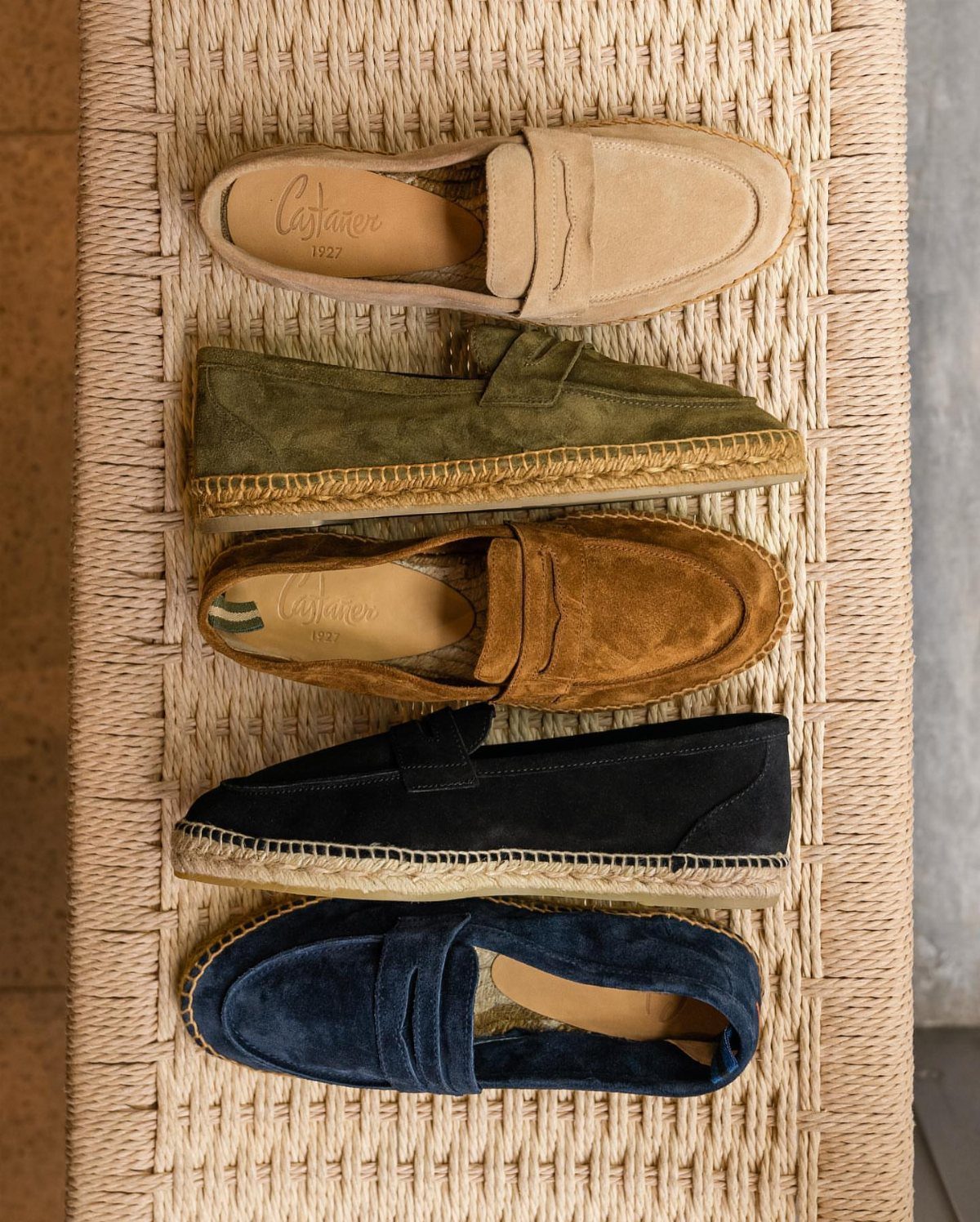
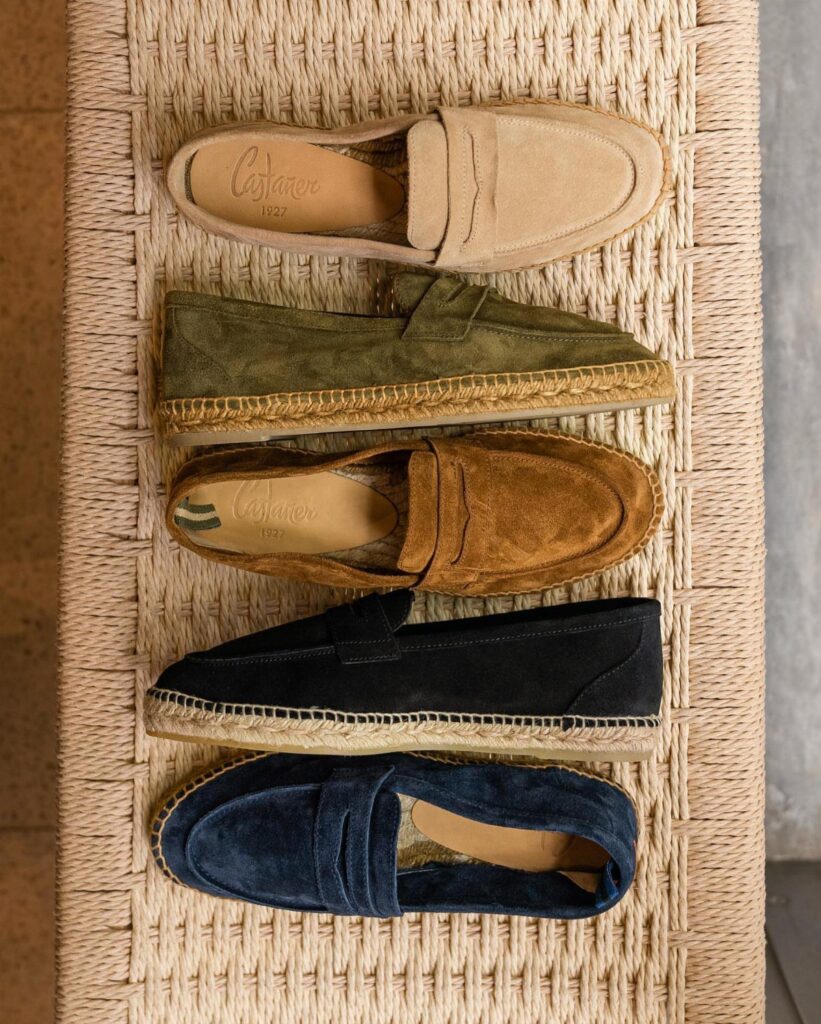
Espadrilles are the shoe I reach for when the weather turns hot. They are light and breathable, and they sit low and soft on the foot.
If you buy one pair, go navy or beige; both work with shorts and linen trousers.
Suede looks a bit richer than canvas, and it hides creases and wear better too. Keep them as a summer shoe, since this is not what you wear to an office or a rainy day.
5. Slip-Ons
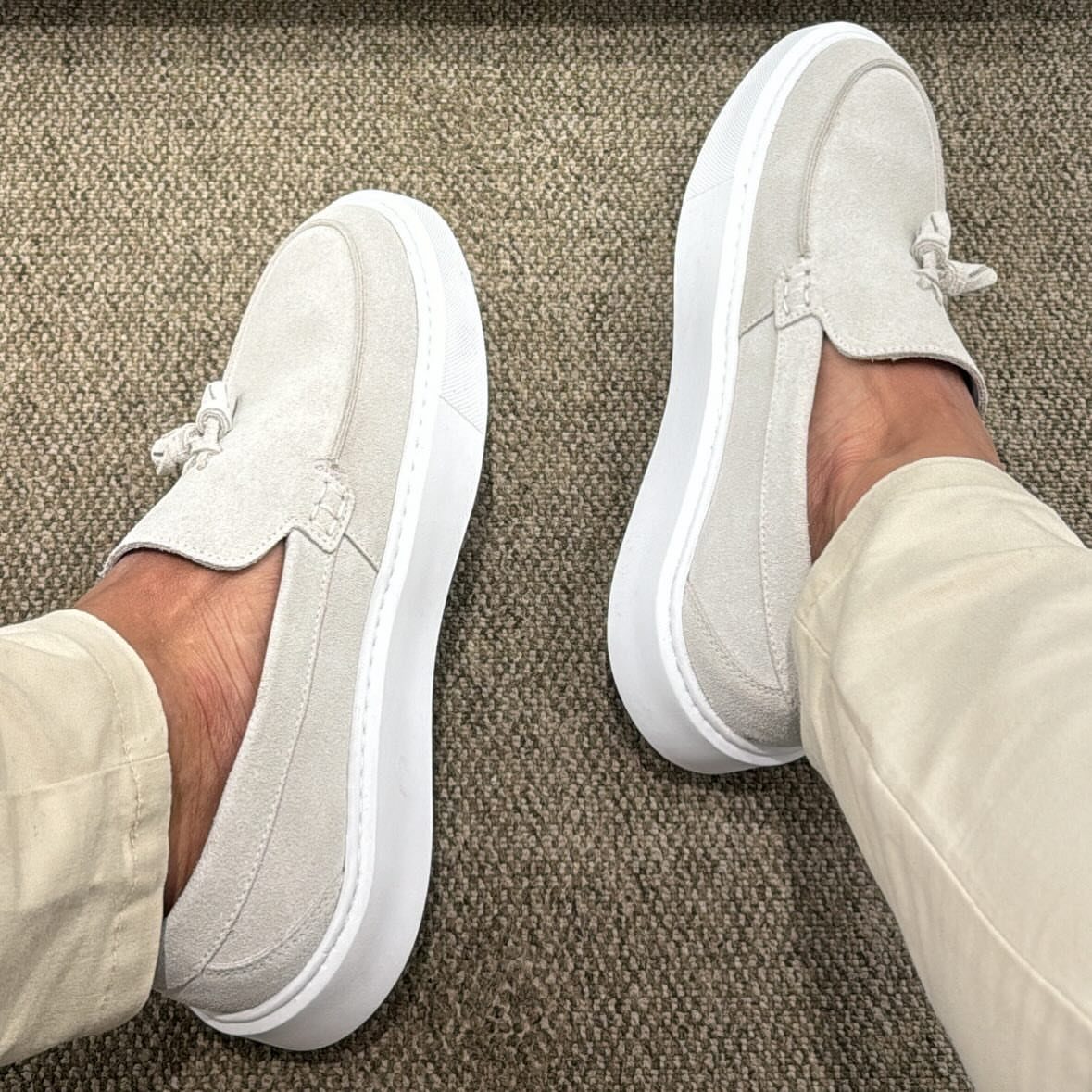
Slip-ons win on speed: no laces, no fuss, and you are out the door.
Suede does look casual, so save these for weekends and relaxed evenings. For a stricter dress code, I would pick a plain leather pair instead.
6. Suede Moccasin
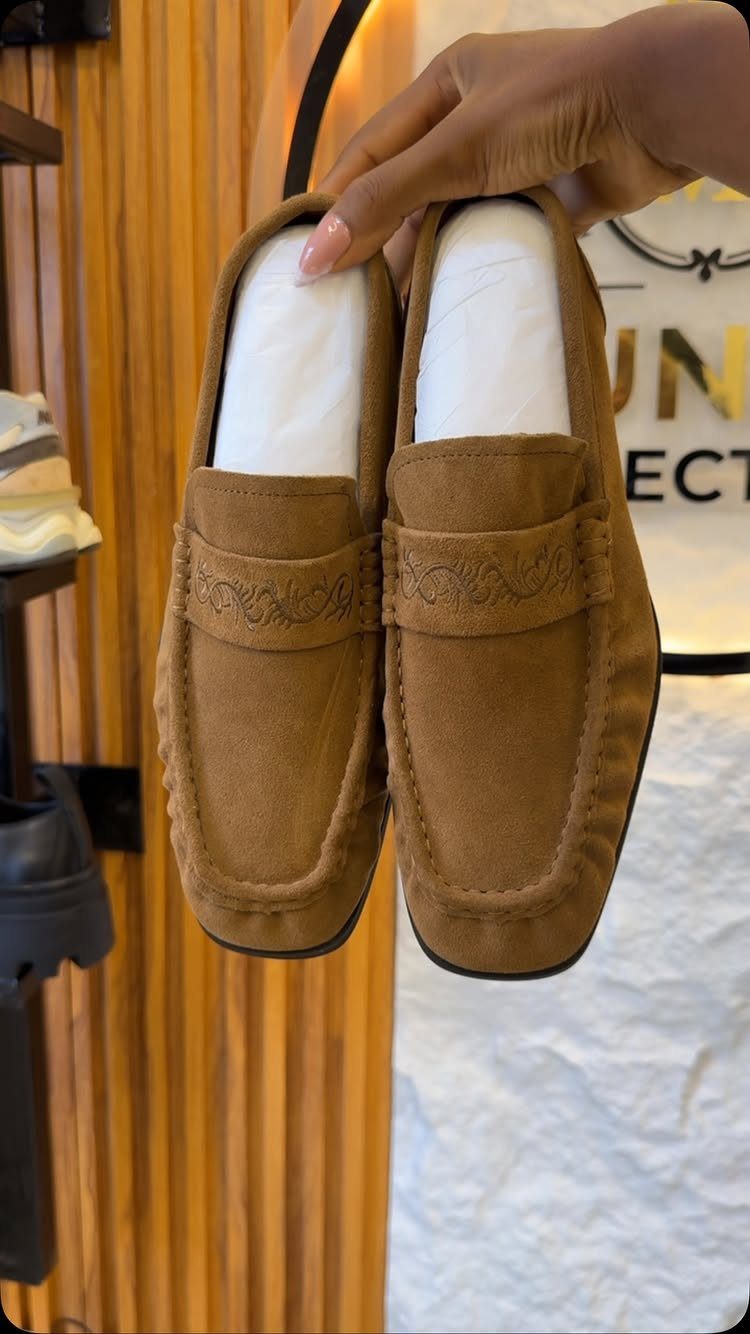
Moccasins began as soft sheep-pelt footwear made by Native American craftsmen, and that flexible, unstructured build is still what sets a tan suede pair apart. That comfort is why they make a good driving shoe.
Embroidered details add personality, so keep everything else quiet: plain trousers and a simple shirt. I would choose tan over darker shades for the warmer, more relaxed feel.
7. Monk Strap Dress Shoe
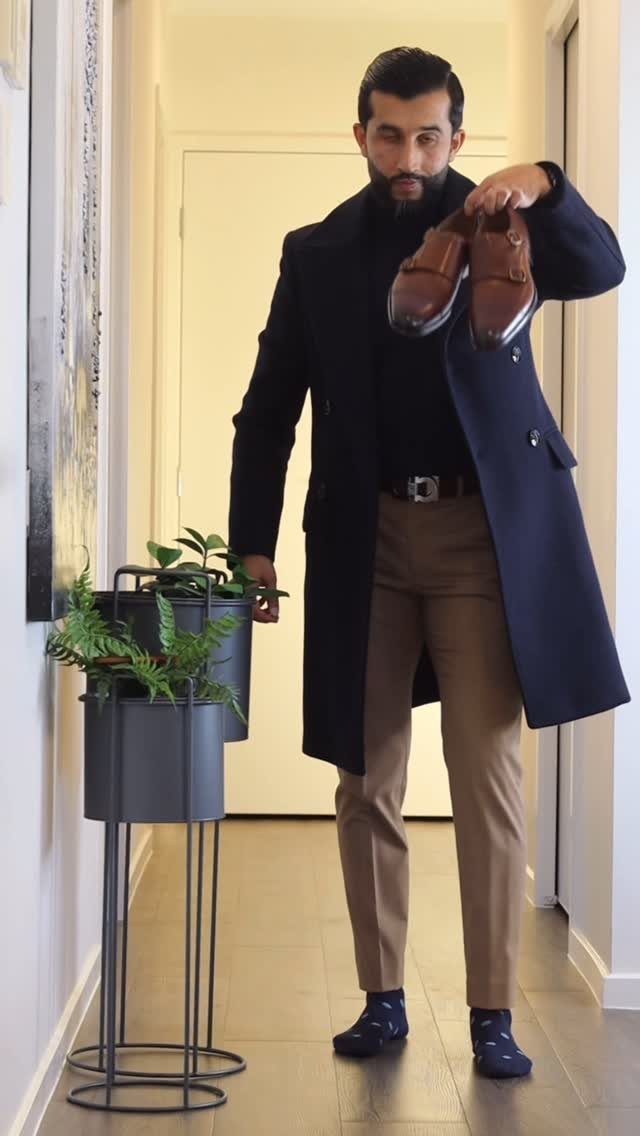
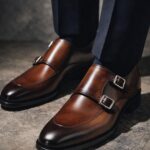
A monk strap swaps laces for buckles: one strap on a single monk, two on a double. That makes it a dress shoe with a little attitude, and it slips on faster than any lace-up.
Brown suits the tan trousers and navy coat look well, and I would choose the double monk for its stronger profile. Keep the trousers slim and clean at the hem so the buckles stay visible.
8. Classic Leather Boots
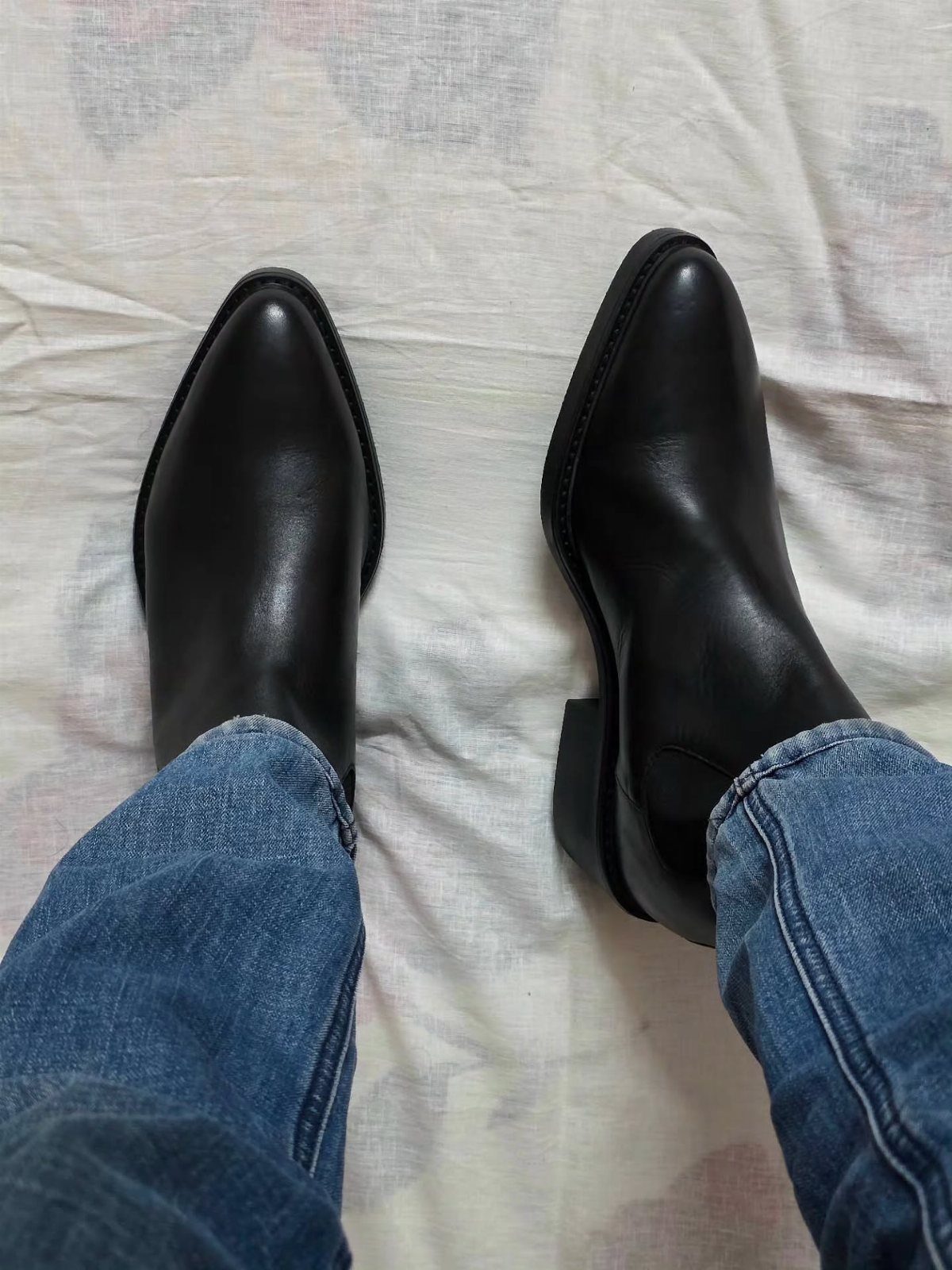
Black leather boots with blue jeans is about as simple as a boot outfit gets, and it rarely misses. Dark denim against black leather keeps the contrast sharp.
Wear the jeans straight or slim, with a small break at the ankle, so the boot shaft stays in view.
I would skip heavy distressing on the denim. A plain tee or sweater above it is enough.
9. Low-Top Suede Sneakers
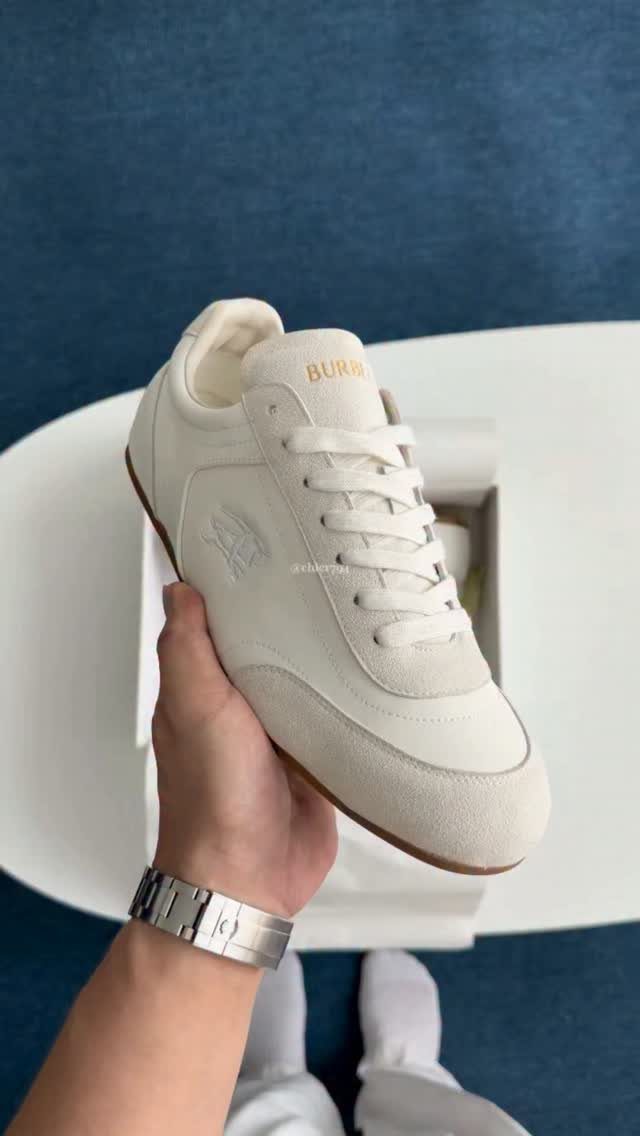
Cream suede with white laces and a gum sole gives a sneaker a softer, warmer look than white leather, and it still reads as clean. That mix is why I like it with chinos or dark jeans.
Suede marks easily, so a suede brush and protector spray are worth buying with the first pair.
Keep it for dry days and casual plans. For work, a plain leather sneaker is the safer choice.
10. Trail Running Sneakers
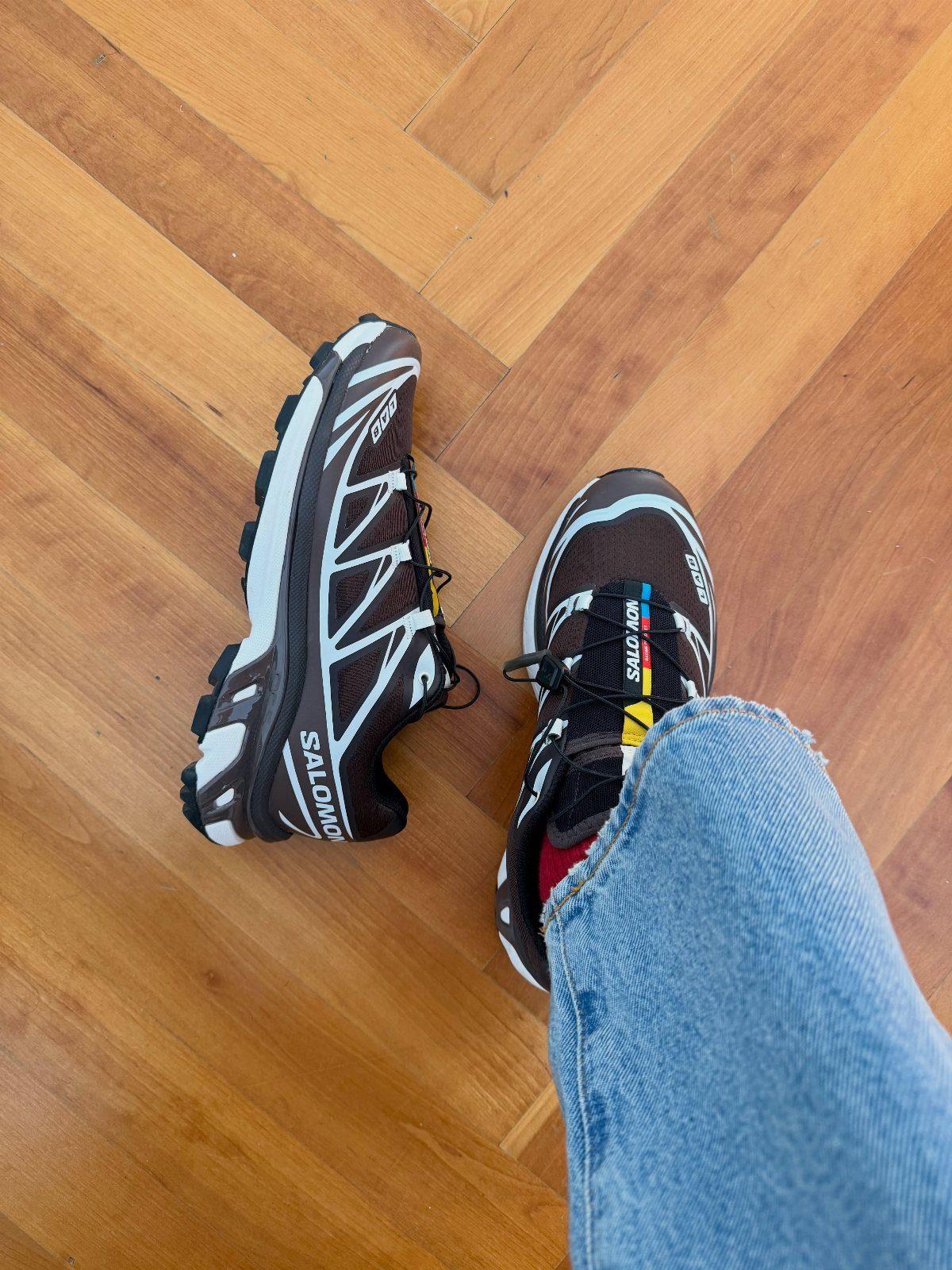
Trail runners have gone from the mountain to the sidewalk, and a brown and white pair like this one sits well under blue jeans. The technical shape adds interest to an otherwise plain outfit.
Let the shoe be the loud part: straight-leg jeans, a plain tee or a simple jacket, nothing busy. They are comfortable for long days on your feet, but I would not wear them to an office with a dress code.
Shoe Rotation Advice
Leather needs a day to dry out. Feet sweat through the day, and that moisture stays in the lining overnight, so a pair worn back-to-back starts the second morning damp and breaks down faster.
Give each pair at least a full day off between wears. Three or four pairs in regular use is enough for most men, which means every shoe gets several days of rest.
Cedar shoe trees help during that rest. They hold the shape, pull out moisture and take up very little room.
Choosing Versatile Colors
Black, brown and navy do the most work because they sit comfortably with the trousers and jackets most men already own.
Black suits darker, cooler outfits and more formal settings. Brown is warmer and easier with denim, khaki and olive.
Navy is the underused one. It works with grey, tan and white, and it looks deliberate without being loud.
If you are choosing a second or third pair, pick a different color from the first rather than a second version of the same one. That way each pair covers an outfit the others cannot.
Match your belt to the shoe, and the whole look holds together.
Footwear Care Tips
Quality materials pay you back here.
Full-grain leather can be cleaned, conditioned and polished for years, while cheap coated leather cracks and cannot be repaired. A resoleable construction means a worn sole is a repair, not a replacement.
Clean shoes after dirty or wet wear. Brush off dust, wipe with a damp cloth, then let them dry at room temperature, away from heaters, which crack leather.
Condition leather every few months, depending on how often you wear it. Add polish when the color looks tired.
Brush suede in one direction when dry, and never soak it.
Frequently Asked Questions
What are the best daily shoes for men?
Loafers and low-top sneakers cover most days.
Black leather loafers work with black trousers and need less precision than dress shoes. For sneakers, a plain leather pair is safer at work, while suede suits casual plans and dry weather.
What kind of shoes are good for men?
A small mix of dress shoes, casual shoes, boots and sneakers does the job.
Derbies in black leather, loafers and a monk strap handle the dressier side, and classic black leather boots work with straight or slim jeans. Add a suede or leather sneaker for weekends, plus espadrilles if summers run hot.
How many pairs of shoes should a man rotate?
Most men do fine rotating three to four pairs.
A pair worn 2 days running wears out faster because the lining holds moisture overnight. Cedar shoe trees pull moisture and hold the shape while the pair rests.
What colors of shoes are most versatile for men?
Black, brown and navy cover the most ground. Black fits formal settings and darker colors; brown pairs easier with khaki, denim and olive.
Navy reads deliberate against grey, tan and white without drawing attention. Buy a second pair in a different color so you cover outfits the first one leaves out.